
 Kevin Johnson
Luxury tequila is no longer just about heat and lime. Over the last 20 years, the category has premiumized: artisanal distillation, long barrel aging, limited editions, and showpiece bottles have created true luxury brands. Some of the highest prices come from the bottle design or limited runs; others come from rare, long-aged spirits inside. Below are the 15 most expensive tequila brands that appear most often on top “most expensive” lists.
1. Tequila Ley (.925 / Diamante)
Price range (top releases): ~$225,000 — $3,500,000
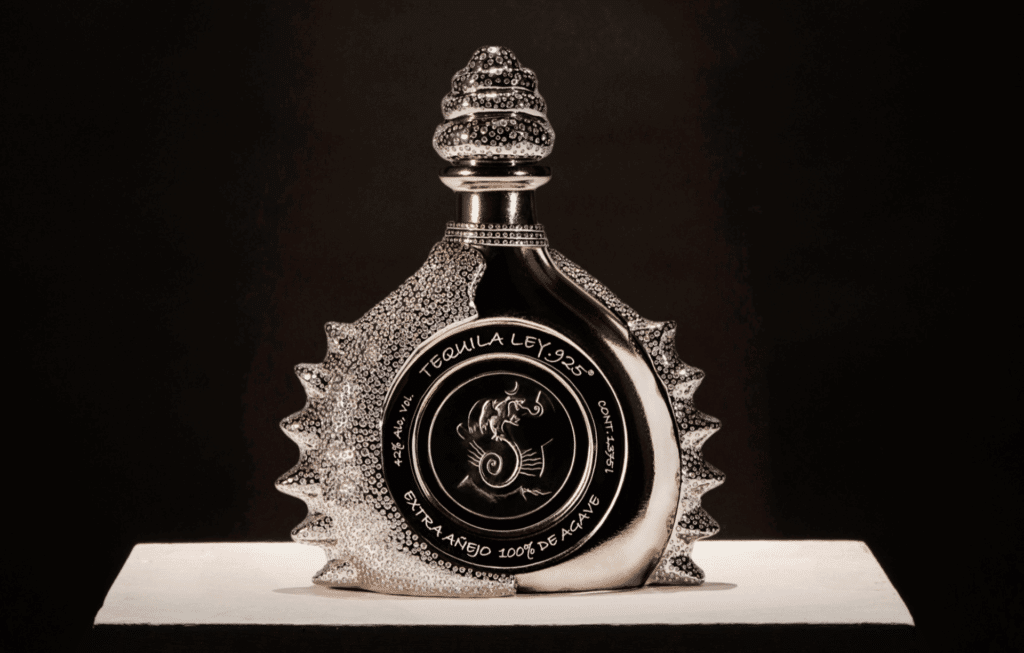
Image source: Tequila Ley925
Tequila Ley (often styled Ley .925) is the single most famous “record-breaking” luxury tequila brand. Their .925 Ultra Premium editions and the one-off Diamante bottling mix extremely old extra-añejo spirit with show-stopping decanters made from precious metals and stones. In this case, the bottle itself, platinum, gold, and diamonds, drives a huge part of the value, and the company positions Ley as a collectible luxury object as much as a spirit.
Pros
- Unmatched brand prestige for luxury collectors.
- Extremely limited and unique presentations.
Cons
- Price driven mostly by bottle art; not always about drinking value.
- Very limited secondary market liquidity for some mega-priced pieces.
2. José Cuervo
Price range (top releases): ~$2,300 — $60,000+
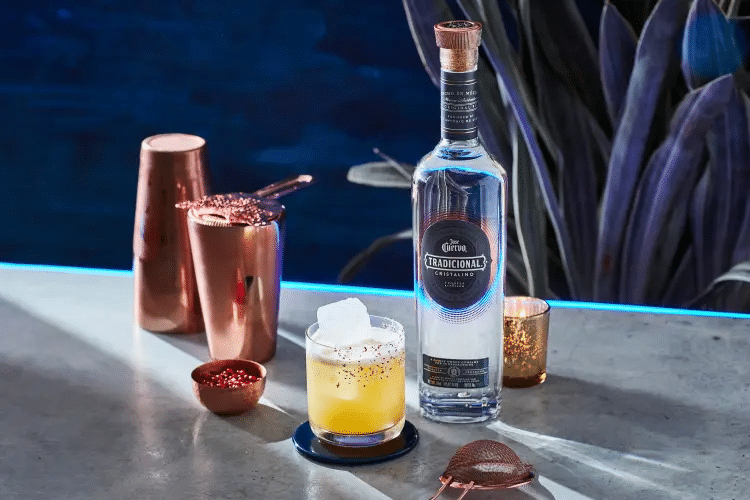
Image source: José cuervo
José Cuervo is the oldest large-scale tequila house, and they have both broad distribution and rare collector bottles. Their Reserva de la Familia and 250th-anniversary releases demonstrate how a legacy house can straddle accessible premium and extreme collectible pricing. For many buyers, José Cuervo represents a safe luxury play with historical depth.
Pros
- Deep heritage and a wide range of price tiers.
- Collector editions tied to brand
Cons
- Some rare editions are priced for collectors, not drinkers.
- Mainstream image may reduce perceived exclusivity.
3. Clase Azul
Price range (top releases): ~$1,800 — $40,000
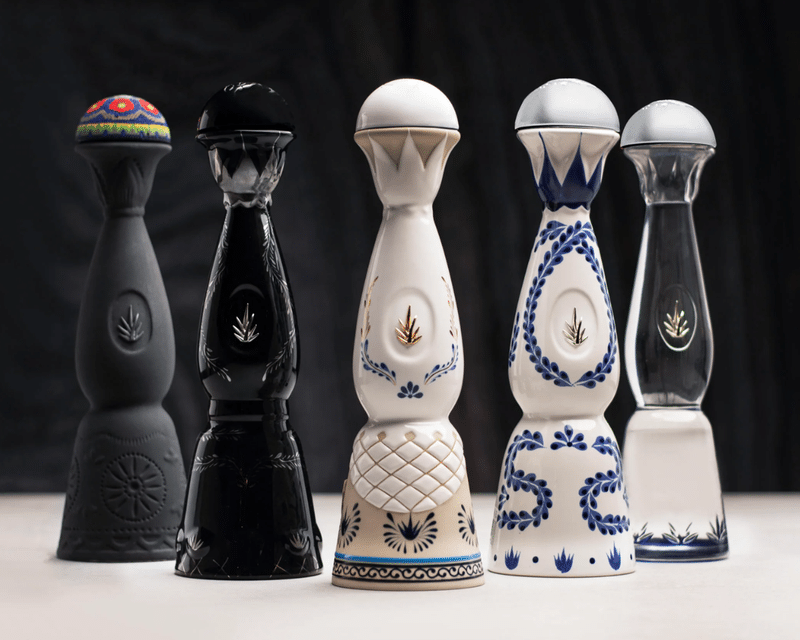
Image source: Clase Azul
Clase Azul developed luxury through the mix of handmade ceramic decanters and the premium and, in most cases, extra-anejo tequila. Clase Azul is widely consumed by luxury restaurant owners and affluent lifestyle purchasers since the bottle itself is a visual work of art, and the contents are a sipping liqueur. They are more visible as a brand of tequila due to their consistent branding.
Pros
- Strong visual identity and collectible decanters.
- Consistent quality in premium expressions.
Cons
- Some buyers pay for aesthetics more than age or provenance.
- Occasionally criticized for price vs drinking
4. Patrón
Price range (top releases): ~$1,500 — $8,000+
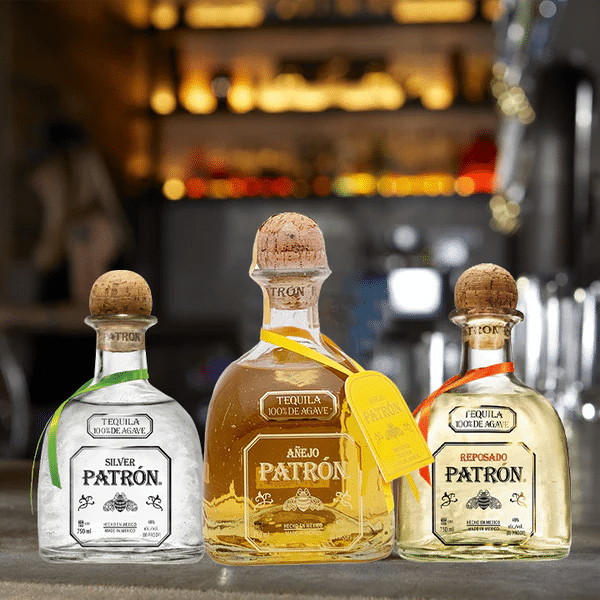
Image source: Patrón
Patrón is a household luxury name that crosses the trade-off between collectability and wide brand recognition. Their En Lalique series (collabs with French crystal makers) and special limited runs have commanded four-figure prices. Patrón’s high-end releases pair careful barrel selection with premium packaging, which makes them favorites for corporate gifting and hospitality experiences where branding matters as much as flavor
Pros
- Strong global brand recognition.
- High production quality with marketable limited editions.
Cons
- Some collectors feel secondary-market prices fluctuate.
- Top pieces can be pricey due to packaging rather than the liquid.
5. Código 1530
Price range (top releases): ~$500 — $4,500
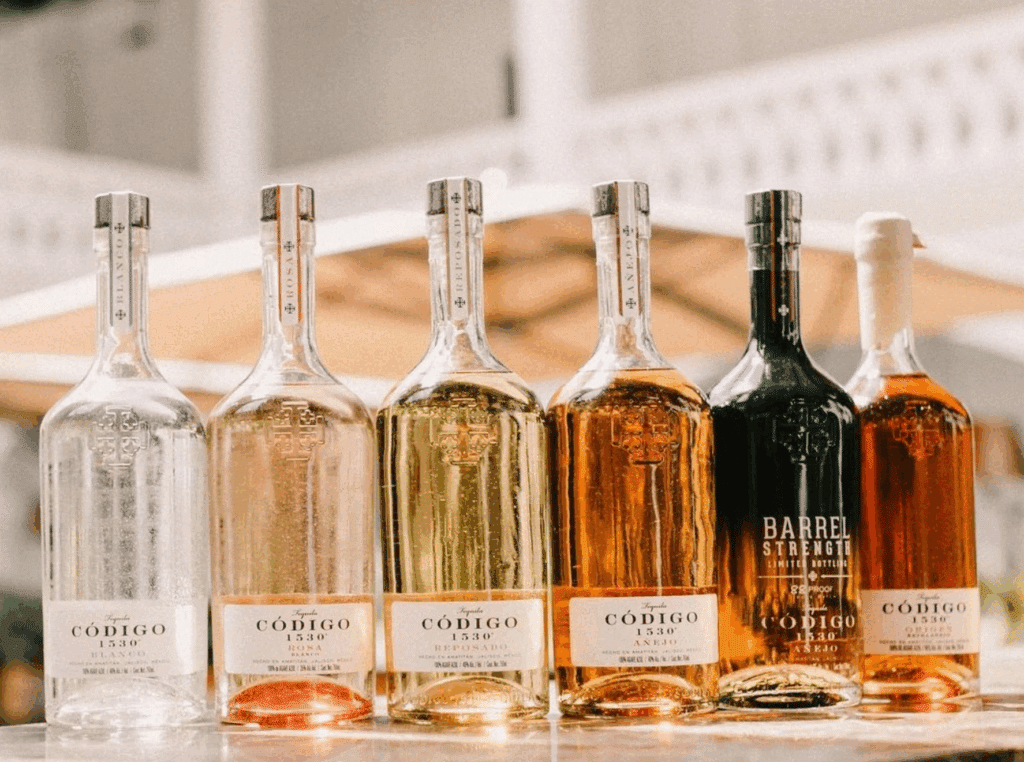
Image source: Codigo 1530
Código 1530 mixes modern branding with premium barrel selection, including some high-priced limited editions finished in specialty casks. While many Código expressions sit in the mid-premium bracket, occasional artist or aged releases push price points much higher.
Pros
- Contemporary brand with premium sensibility.
- Versatile for cocktails or sipping.
Cons
- Very high price points are only for limited editions.
- Not typically a museum-level collector item.
6. Cincoro
Price range (top releases): ~$400 — $5,000
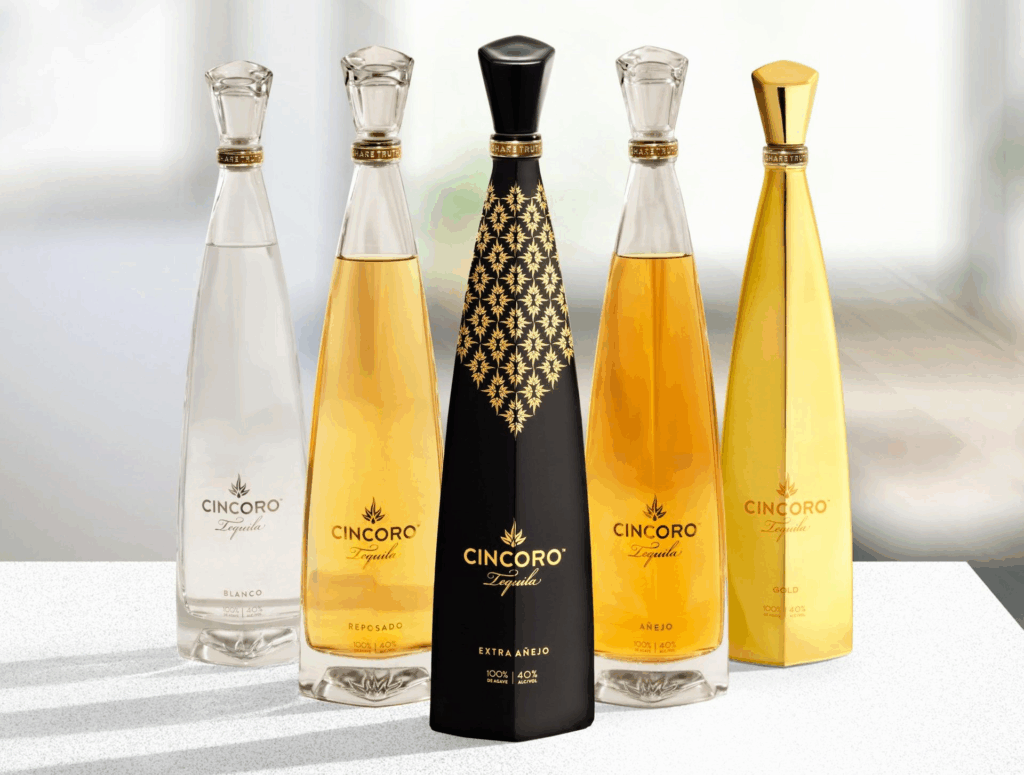
Image source: Cincoro
Cincoro entered the premium spirits space with a sports-team founder story and a clear luxury positioning. Their Founder’s Series and extra-añejo releases lean into premium aging and sleek packaging.
Pros
- Strong storytelling and high-visibility founders.
- Premium liquid quality with modern packaging.
Cons
- Branding can feel manufactured to some collectors.
- Limited editions attract reseller markups.
7. AsomBroso
Price range (top releases): ~$2,000 — $2,500+
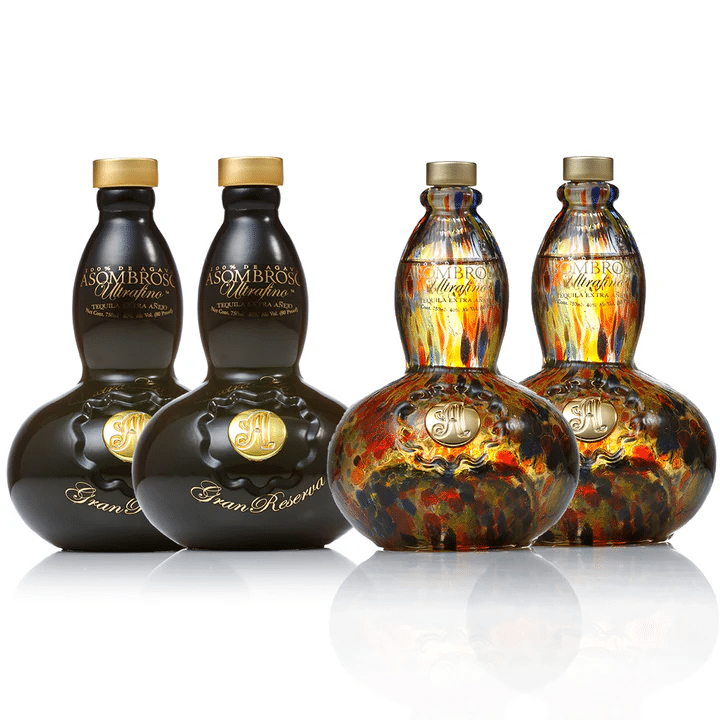
Image source: AsomBroso
AsomBroso markets itself around extreme aging and bespoke presentation. Their “ultra añejo” messaging, very long barrel aging beyond the standard extra-añejo, positions the brand close to old cognac territory in style and price. Hand-blown decanters and small batch runs give AsomBroso a boutique, collector appeal.
Pros
- Distinct mouthfeel and aged-spirit character.
- Strong appeal to collectors seeking unique aging profiles.
Cons
- Smaller brand recognition vs mainstream luxury names.
- Higher per-bottle price for limited run availability.
8. Fuenteseca
Price range (top releases): ~$900 — $2,000
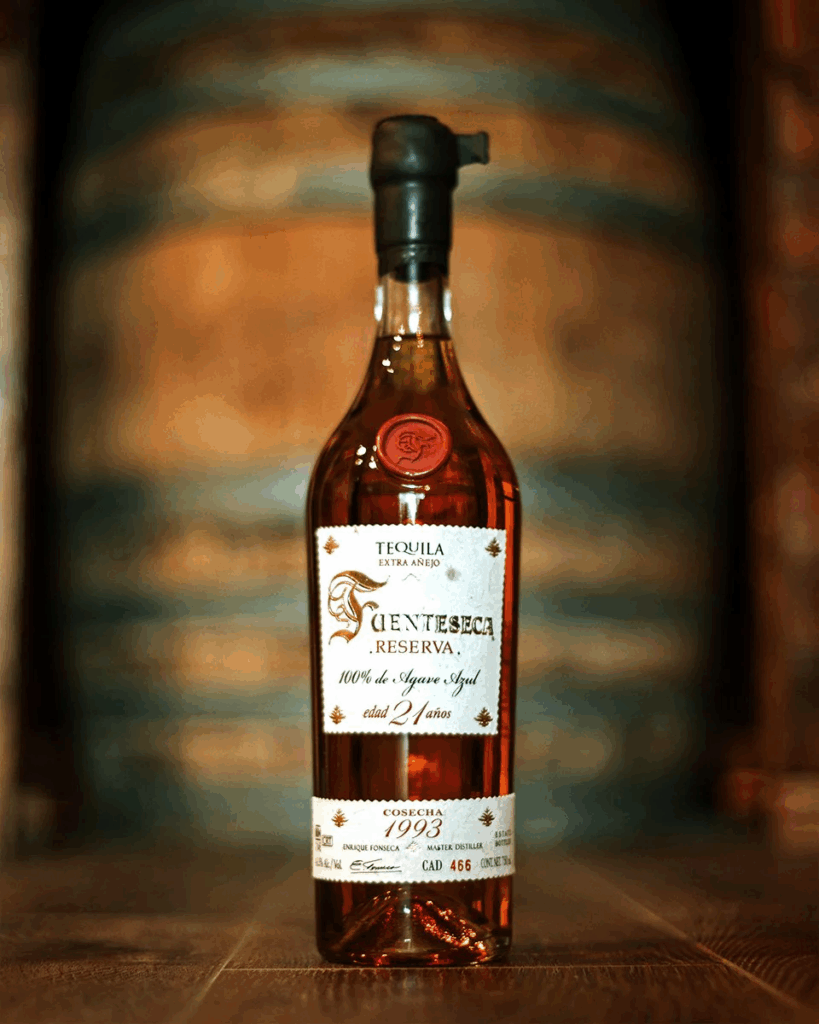
Image source: Fuenteseca
Fuenteseca stands out for ultra-long aging and single-vintage storytelling. They’ve produced 20+ year-old releases that read more like rare whiskies in their maturation approach. The brand emphasizes provenance: harvested agave years earlier, small-batch distillation, and unique barrel regimes.
Pros
- Exceptional aging makes for complex sipping profiles.
- Clear provenance and vintage claims.
Cons
- Minimal availability; hard to source.
- The price-to-drink trade-off is significant for casual buyers.
9. DeLeón
Price range (top releases): ~$700 — $1,500

Image source: Deleón
DeLeon stands at the border of the luxury and modern lifestyle branding. Their best manifestations are made with chosen barrels, and occasionally unconventional finishes (Sauternes casks, etc) in order to get a rounded, dessert-like profile. The packaging tends to have leather carriers or craft elements.
Pros
- Stylish brand positioning and premium packaging.
- Produces well-balanced extra-añejo expressions.
Cons
- Some releases emphasize presentation, which can inflate the price.
- Limited high-end availability in some markets.
10. Don Julio
Price range (top releases): ~$350 — $1,000+
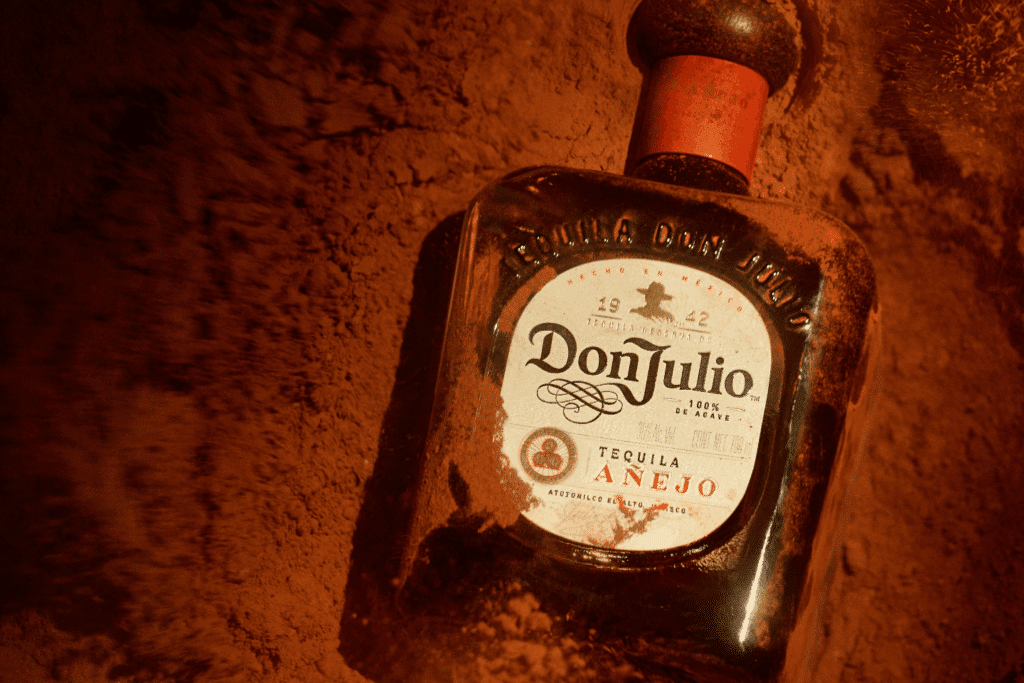
Image source: Don Julio
Don Julio is a well-established brand in high-quality tequila. Their regular ultra-premium products (Don Julio Real, 1942, Ultima Reserva) have their roots in deep stock and close mixing. Compared to other artful decanters, the cachet of Don Julio lies in the consistency of quality of the palate and heritage, which is a safer luxury purchase for restaurants and hotels that require quality but not excessively elaborate packaging.
Pros
- Strong reputation for quality and consistency.
- Easier to recommend to customers and clients.
Cons
- Top-end bottles can still be expensive relative to small-batch craft brands.
- Not as “art object” as some other luxury names.
11. Casa San Matías
Price range (top releases): ~$250 — $400
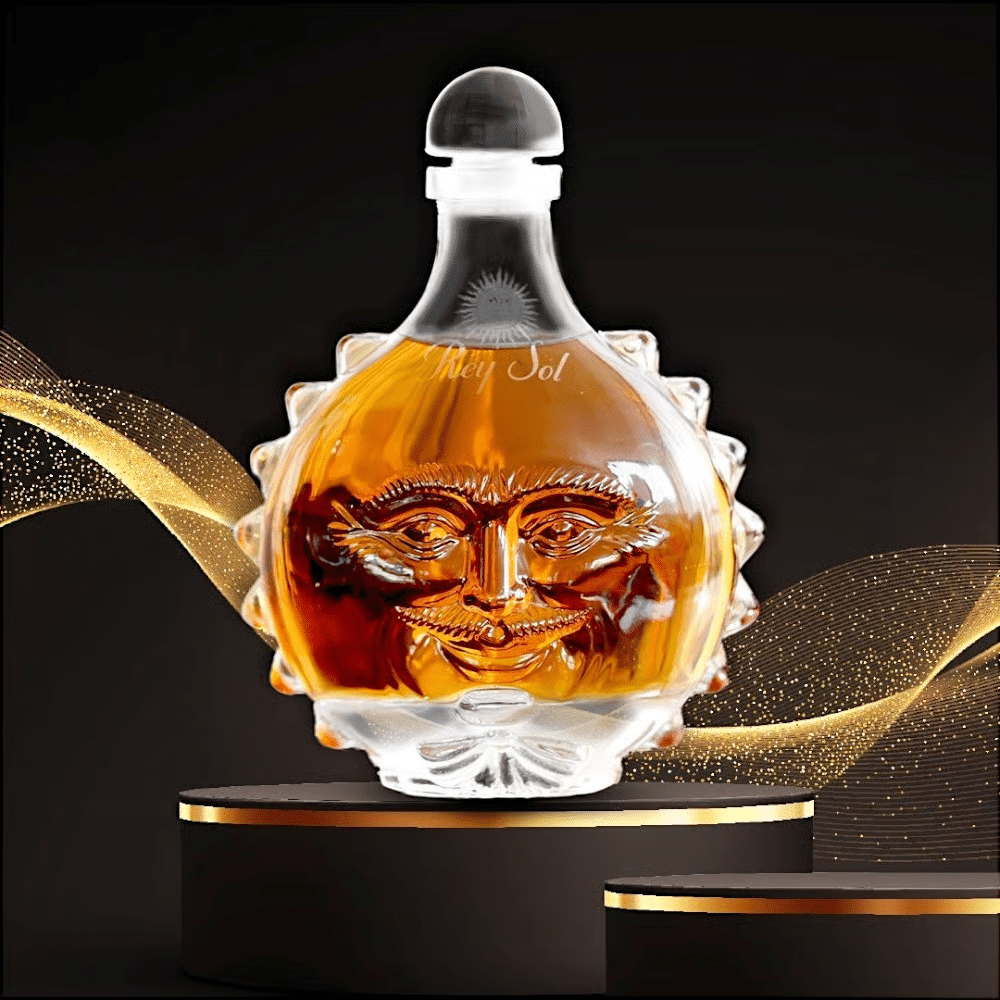
Image source: Casa San Matías
Another old, heritage producer is known as Casa San Matias and has extra-anejo bottlings of the dessert type. Their aged expressions underline toasted oak, nuts, and dried fruit, a taste that is appropriate to the after-dinner sipping. The high cost of the branded bottles does not have anything to do with bling, but rather time/craft, which is appealing to the other buyers, who like their brands to have substance rather than show.
Pros
- Good value among high-end aged tequilas.
- Flavor profiles that appeal to fine-dining
Cons
- Fewer limited-edition collector draws.
- Less visible as a “status” bottle compared with Clase Azul or Patrón.
12. 1800 (Colección Reserva)
Price range (top releases): ~$1,500 — $2,000
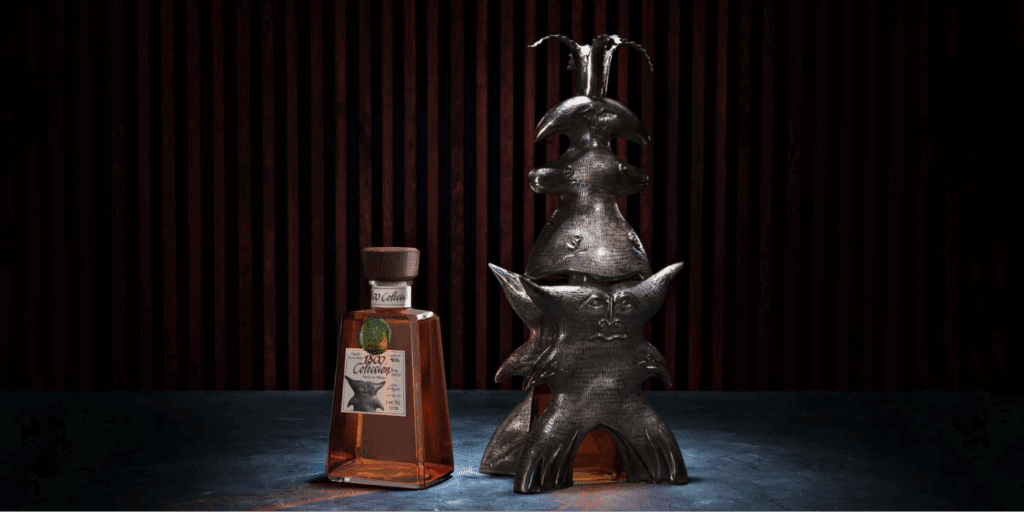
Image source: 1800 Collection Reserva
Tequila 1800’s Colección Reserva combines artist collaborations with small-batch extra-añejo tequila. The brand leverages named artists and limited runs; these bottles are as much designed products as they are spirits. For hospitality buyers who want a conversation piece or a branded experience (VIP bottles, corporate gifting), 1800’s artist editions are effective; they carry recognizability while offering a unique presentation.
Pros
- Accessible luxury with strong brand recognition.
- Artist collaborations create narrative value.
Cons
- Limited editions can sell out fast and fetch reseller premiums.
- Price sometimes leans on artwork more than liquid rarity.
13. Barrique de Ponciano
Price range (top releases): $1000 — $2,000+

Image source: Barrique de Ponciano
Barrique de Ponciano (Porfidio) is a cult favorite among tequila hunters. Its values come from scarce production years and ornate detailing (including real gold lettering on some editions). These bottles are typically single-vintage or small-run releases from the late 1990s and early 2000s and are treated as treasure-hunt finds by serious collectors.
Pros
- Scarcity and provenance drive collector interest.
- Highly desirable for tequila connoisseurs.
Cons
- Hard to source and authenticate on the secondary market.
- Price volatility for rare vintages.
14. Tres Cuatro Cinco (Tres 4 5)
Price range (top releases): ~$300 — $1,000+
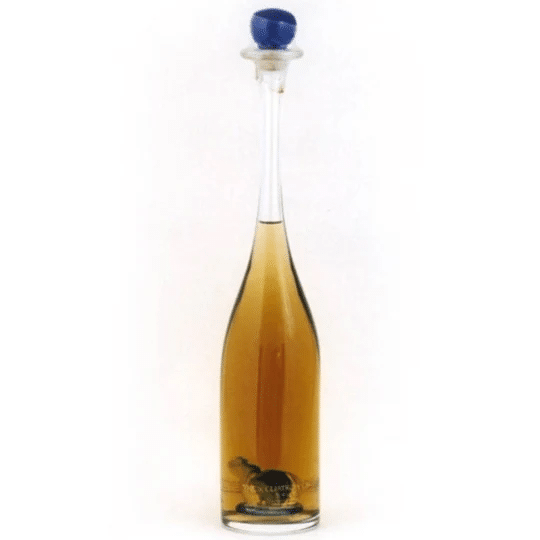
Image source: Tres Cuatro Cinco
Tres Cuatro Cinco is known for meticulous barrel selection and occasional ultra-aged bottlings. The brand’s higher-end expressions aim for deep, layered flavors, vanilla, dried fruits, dark chocolate, and often arrive in tasteful, understated bottles.
Pros
- Focus on flavor and aging technique.
- Good for curated tasting programs.
Cons
- Less mainstream name recognition.
- Limited editions can be expensive relative to accessibility.
15. Herradura
Price range (top releases): ~$350 — $500
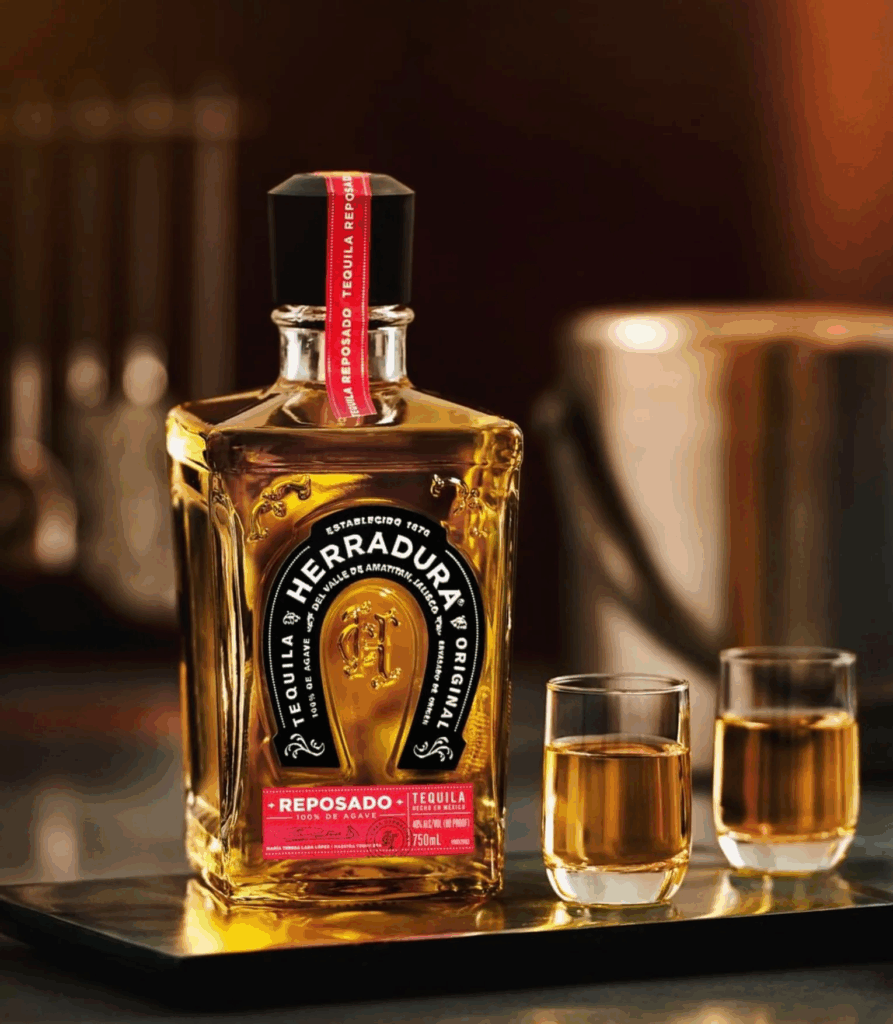
Image source: Herradura
Herradura is a historic house with well-documented aging programs. Their Selección Suprema and the 150th Anniversary releases showcase very long maturation and craft. Herradura’s premium lines are restaurant-friendly: they read as established quality, are well-supported marketing-wise, and have awards to cite.
Pros
- Strong history and industry awards.
- Easier to recommend to corporate and hospitality
Cons
- Top releases are still limited and may be allocated.
- Not as collectible as unique artists or jewel-encrusted bottles.
Conclusion
Tequila can feel different when you see it like this. Not just a drink. More like stories in bottles. Some brands chase beauty, some chase age, some just want to be remembered on a shelf. And honestly, it’s interesting how people value these things. Taste, history, design, all mixed.
If someone is choosing one, maybe think about what matters more to you. Something to sip slowly at night, or something that just looks bold on a table. Both are fine. Just depends on the moment. And maybe that’s the real thing about luxury tequila: it fits more than one kind of person.
References & more information
- GearMoose: The 15 Most Expensive Tequilas In The World.
- Nakash M.: The Most Expensive Tequilas in the World.
- Collins J.: The 25 Most Expensive Tequilas in the World (2025).
- Featured Image by Alena Plotnikova
Tell us what you think? Did you find this article interesting? Share your thoughts and experiences in the comments section below.







 S.K. Gupta

Add comment