

 Kevin Johnson
Buying a telescope sounds simple at first. You think, just pick one and start watching the sky. But it doesn’t go like that. There are too many brands. Prices go from very low to extremely high. Some look powerful but are not that good. Others look simple but perform better. That part gets confusing. People also focus on Zoom too much, which is not even the main thing. So choosing a telescope takes a bit of patience.
This guide is written simply. No technical overload. Just clear info on the best US telescope brands, from the most expensive to budget options.
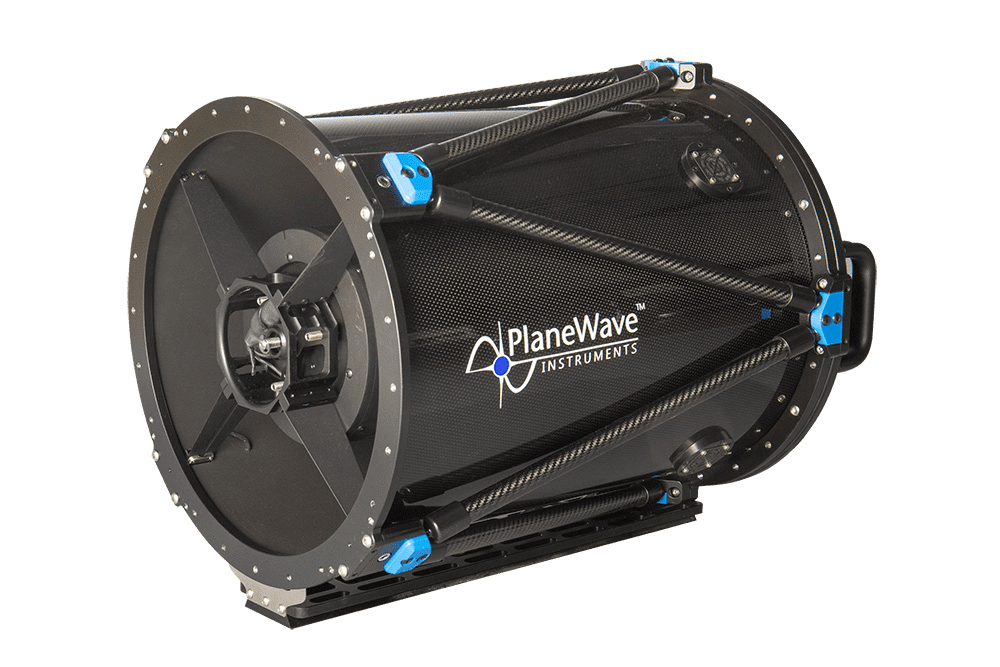
1. PlaneWave Instruments
Price tag: $15,000 – $500,000
PlaneWave is at the top for a reason. These are not normal telescopes you keep in your room. These are big systems, often used in observatories. Very precise. Very powerful. Built for serious astronomy work. Most people won’t need this level. It’s more for professionals, researchers, or people with a very big budget.
Pros
- Extremely high precision optics
- Observatory-level performance
- Built to last many years
Cons
- Very expensive
- Complicated setup
- Not portable at all
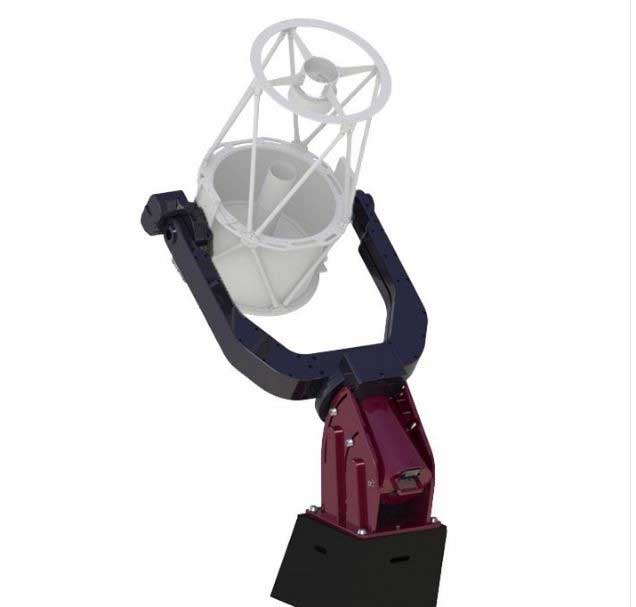
2. Software Bisque
Price tag: $10,000 – $50,000
This brand focuses a lot on smart systems. It’s not just about the telescope, but also software and mounts. Everything works together. Tracking is very smooth, which helps a lot in astrophotography. It feels advanced. Good for people who like control and automation.
Pros
- Strong automation features
- Excellent tracking
- Ideal for imaging
Cons
- Expensive
- Needs technical knowledge
- Takes time to learn
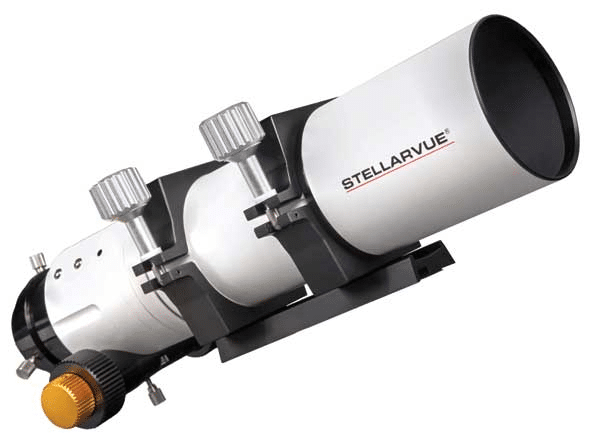
3. Stellarvue
Price tag: $2,000 – $15,000
Stellarvue focuses on refractors. The build feels clean and solid. Not rushed. Optical clarity is very good, especially for planets and the moon. It’s not a mass-market brand. Feels more focused on quality than quantity.
Pros
- Sharp and clear images
- Strong build quality
- Reliable optics
Cons
- Expensive
- Fewer models
- Not ideal for beginners
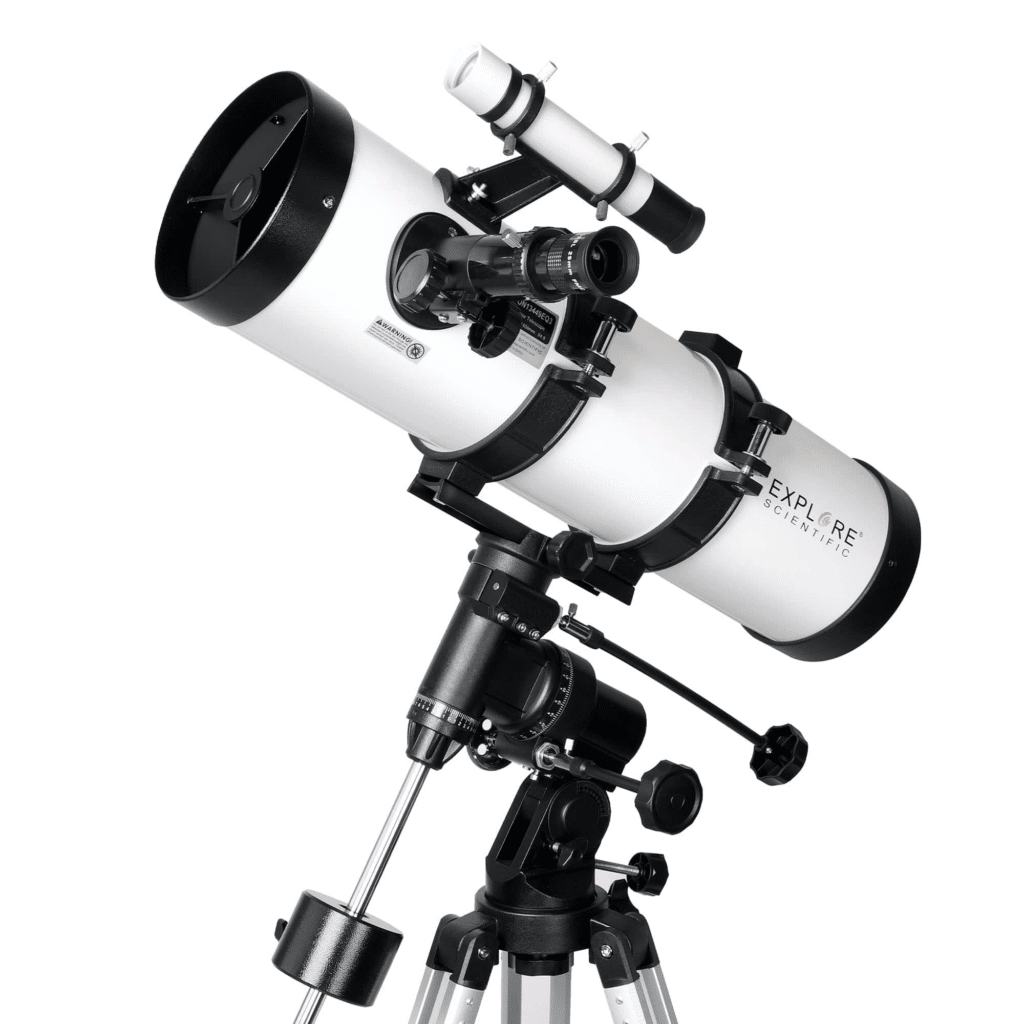
4. Explore Scientific
Price tag: $500 – $3,000
This brand sits comfortably in the middle. Not too cheap, not too expensive. Many hobby users go for this because it balances price and performance. You get decent optics without going too far in budget.
Pros
- Good value for money
- Reliable performance
- Strong accessories
Cons
- Some models feel heavy
- The setup is not very quick
5. iOptron
Price tag: $800 – $5,000
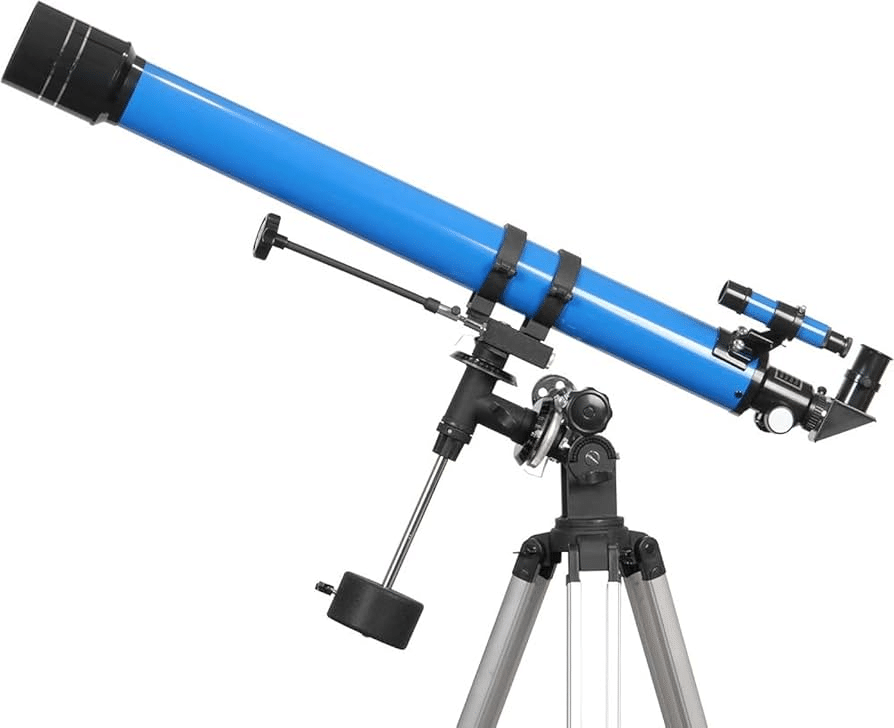
iOptron is known mostly for mounts. That part matters a lot, even if people ignore it at first. Good tracking helps keep objects stable, especially for photos. Their designs are usually lightweight but still advanced.
Pros
- Excellent tracking systems
- Lightweight design
- Good for astrophotography
Cons
- Not beginner-focused
- Learning curve
- Slightly expensive
6. Orion Telescopes & Binoculars
Price tag: $100 – $5,000
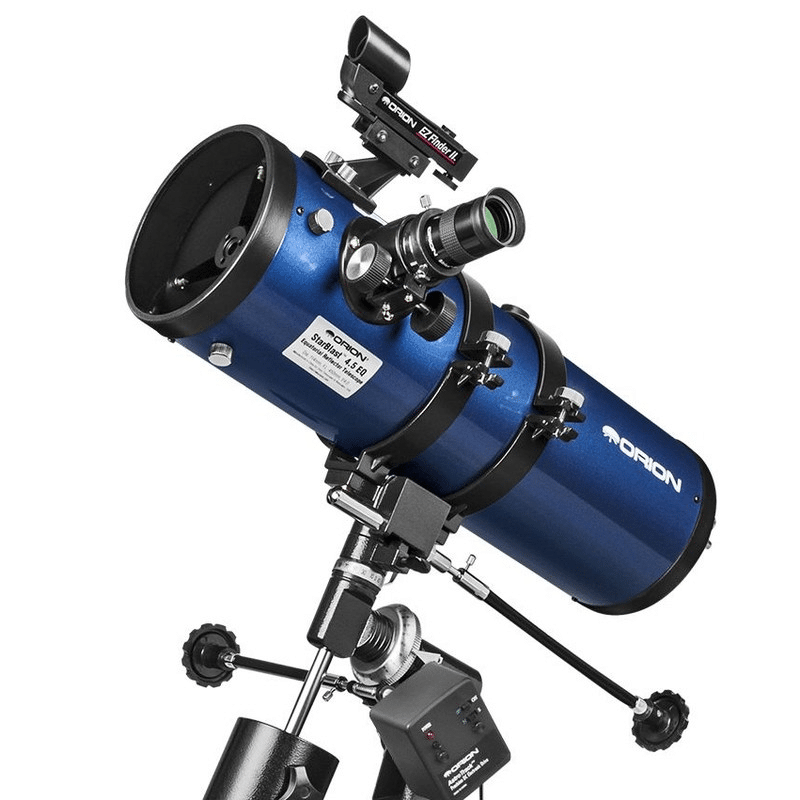
Orion is a common brand among beginners. They offer a wide range, from simple telescopes to more advanced setups. Some models are basic while some are quite good. It depends on what you are looking for in a telescope.
Pros
- Beginner-friendly
- Wide range of products
- Affordable options
Cons
- Build quality is not always consistent
- Some models feel basic
- Not premium quality
7. Meade Instruments
Price tag: $100 – $20,000
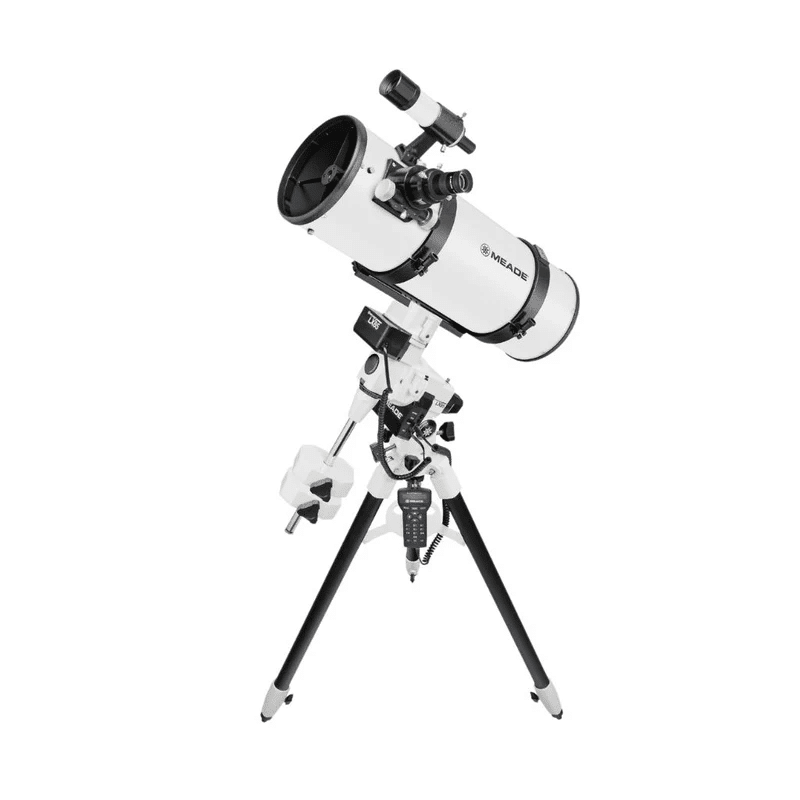
Meade is an old and well-known name. They focus a lot on technology. Their computerized telescopes help find objects easily using GoTo systems. That helps beginners who don’t know where to look in the sky.
Pros
- Smart features
- Wide product range
- Good mid-range performance
Cons
- Some models are heavy
- Quality can vary
- Expensive high-end options
8. Celestron
Price tag: $100 – $10,000
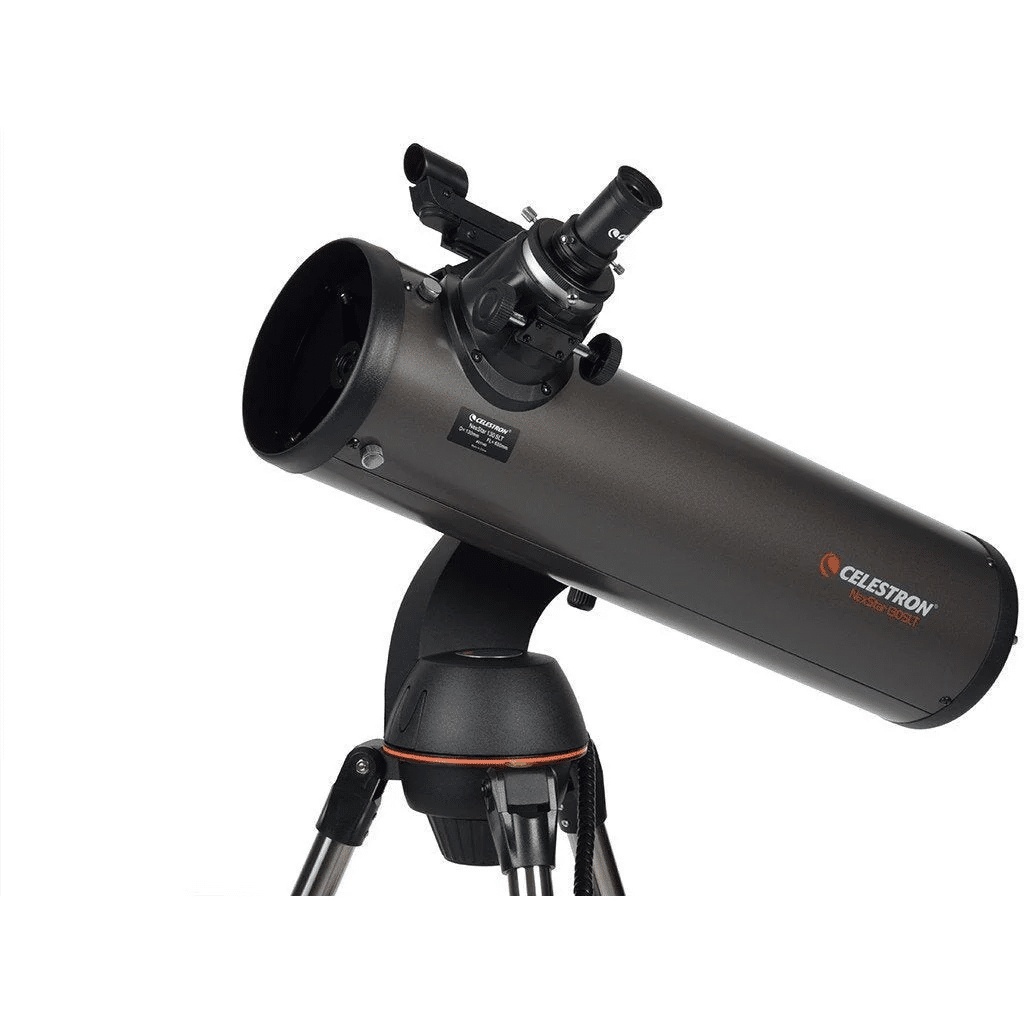
Celestron is probably the most popular brand. Easy to find. Easy to use. Many beginners go for this first. They offer everything from small beginner scopes to advanced ones.
Pros
- Very beginner-friendly
- Wide selection
- App-based features
Cons
- Budget models feel weak
- Accessories cost extra
- Mixed durability
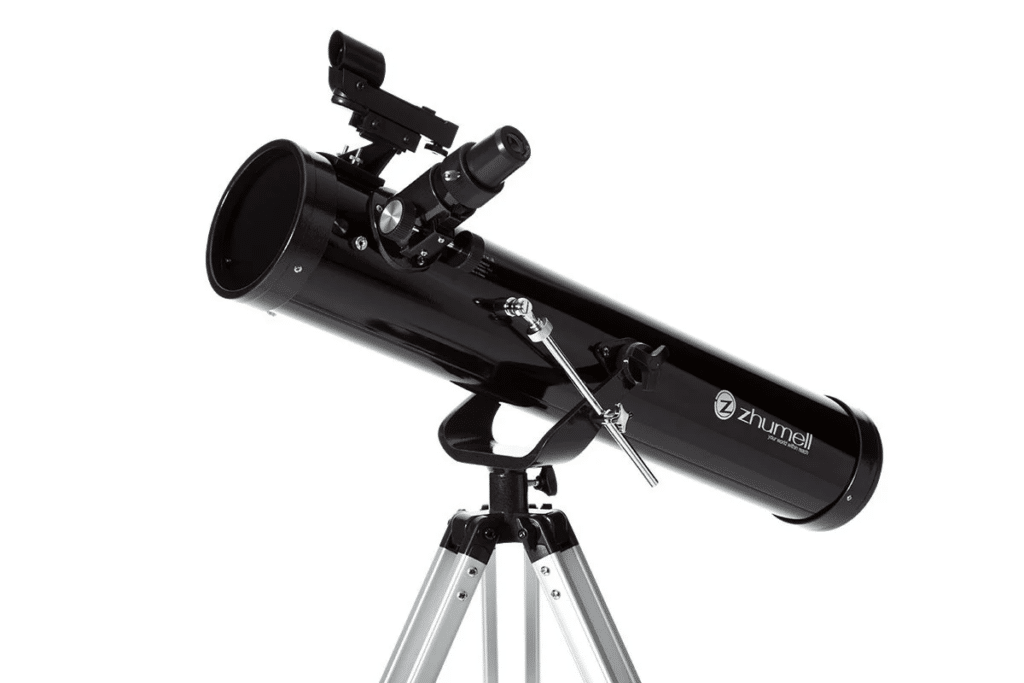
9. Zhumell
Price tag: $300 – $1,500
Zhumell mostly makes Dobsonian telescopes. They are big, simple, and surprisingly powerful. Great if you want to see deep space stuff. They don’t look fancy, no flashy parts, but they do the job. You can see a lot for the price.
Pros
- Strong light-gathering ability
- Great for deep space
- Good value
Cons
- Bulky design
- Hard to carry
- Manual use
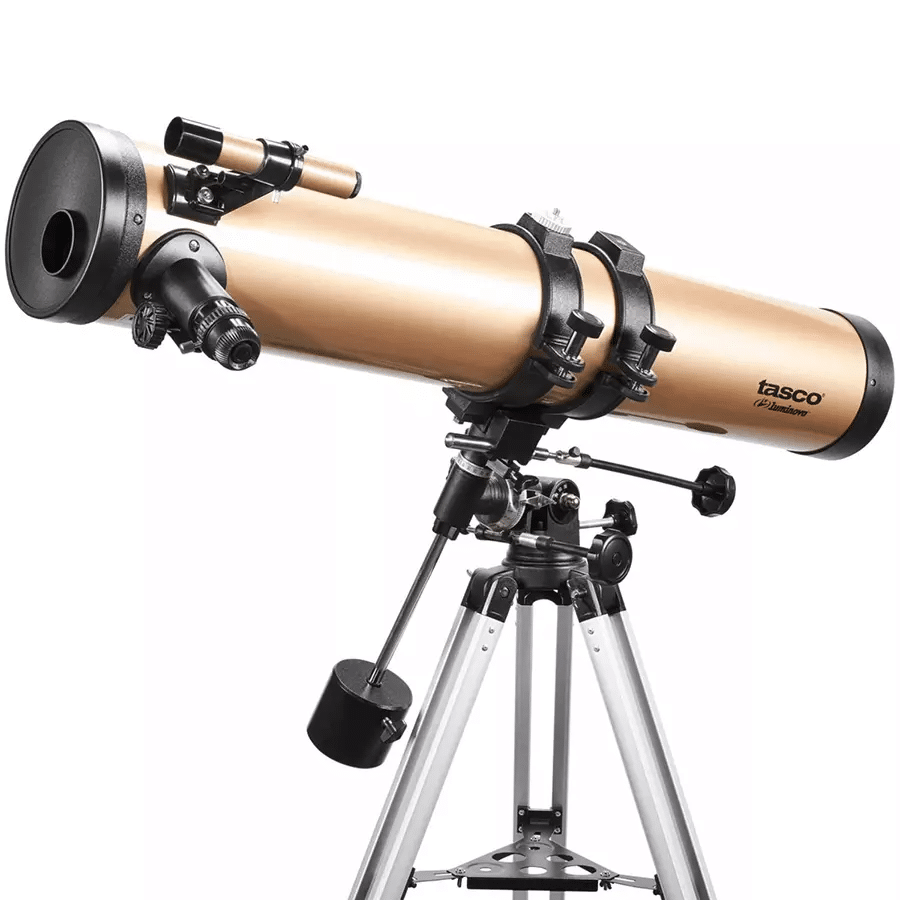
10. Bushnell
Price tag: $100 – $500
Bushnell is more entry-level. Good for someone just trying astronomy for the first time. It’s simple. Not very powerful. But still usable.
Pros
- Affordable
- Easy setup
- Good for beginners
Cons
- Lower optical quality
- Limited features
- Not long-term use
How to Choose a Telescope
Get something that works for you. You can find big ones, small ones, cheap ones, and expensive ones in the market. Some look good but don’t work well. Some look simple but are better than you think. Here is what you need to identify before choosing your telescope:
- What you want to see: Moon and planets are easy. Deep sky objects like galaxies need more power. Zoom numbers don’t matter much.
- Aperture first: A bigger lens or mirror gives a brighter, clearer view. That’s way more important than magnification.
- Type of telescope: Refractors are simple and cheap. Reflectors and compound ones do more but cost more.
- Size and weight: Heavy scopes are annoying. Pick one you can carry easily.
- Mount choice: Simple mounts are easier to handle. Especially, if you don’t want to fight with setup.
Final Thoughts
Buying a telescope isn’t simple. You cannot just pick one. Some are crazy expensive. Whereas, some look small but work better. Brands like Celestron and Orion are easy if you are starting. Others, like Stellarvue or Explore Scientific, feel solid and last long.
Zoom isn’t everything. Optics and mounts matter more. Think what you want to see and how much are you willing to spend. Then pick one. That’s it. Don’t overthink. Just look at the sky and enjoy.
References & more information
- James: Top Telescope Brands
- Space A. Amazon Telescopes Compared
- OPT. The Best Telescope Brands 2026
Tell us what you think? Did you find this article interesting? Share your thoughts and experiences in the comments section below.











Add comment