
 Kevin Johnson
Picking the right fertilizer actually matters. The wrong one slows plants down. The right one makes growth look easier. It affects how plants grow, how soil holds up, and how good the harvest looks in the end.
This guide looks at the top 10 best fertilizer brands in the USA that people actually use. Some work slowly and focus on soil. Others act fast and push growth. None is perfect. Each has its ups and downs. And those matters depend on what you grow and how much time you want to spend.
1. FoxFarm
Price: $17 – $78 for liquid concentrates
FoxFarm is popular for a reason. Many gardeners use it and stick with it. You see it in home gardens, indoor grows, and containers. Their liquid fertilizers are strong and work fast. You usually see results pretty quickly, which is why many gardeners like it.
FoxFarm products are often used during different growth stages. You don’t just dump one bottle and forget it. It needs attention. That’s fine for some people. Not for everyone.

Pros:
- Nutrient-rich formulas suitable for vegetables, flowers, and ornamentals
- Excellent results in container, raised bed, and hydroponic setups
- High user satisfaction and strong brand reputation
Cons:
- Slightly more expensive than generic fertilizers
- Liquid formulas may be too strong if over-applied
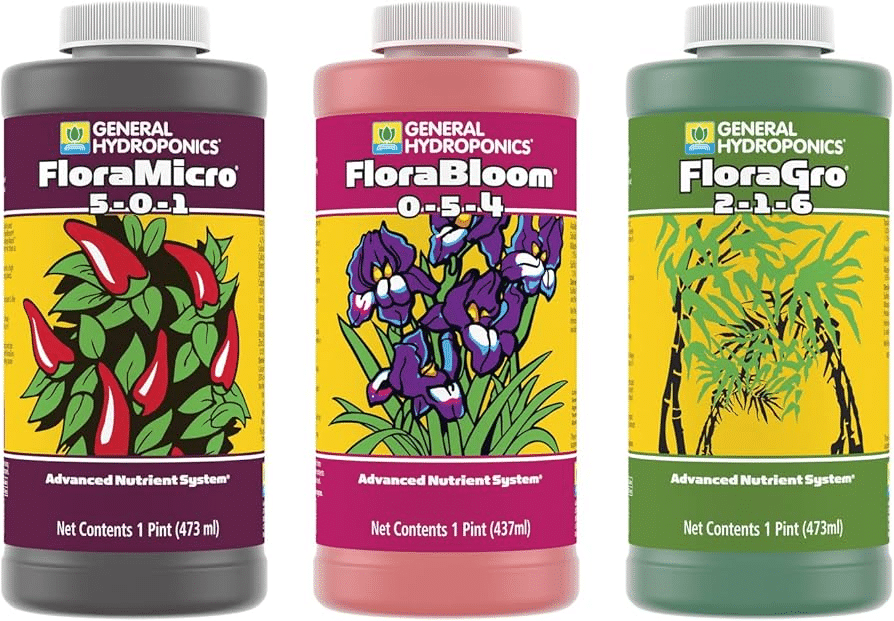
2. General Hydroponics
Price: $15 – $35 for basic hydroponic nutrient packs
General Hydroponics is more technical. It’s mostly for people using hydroponic systems or controlled indoor setups. These nutrients dissolve cleanly and feed plants evenly.
This brand is not really aimed at backyard soil beds. It’s more for growers who measure, mix, and monitor things closely. If you like control, it works well.
Pros:
- Perfect for hydroponics, containers, and indoor plant setups
- Strong nutrient ratios that feed effectively without clogs
- Trusted by many greenhouse growers
Cons:
- Not typically aimed at traditional soil gardening
- Requires measuring and dilution for best results
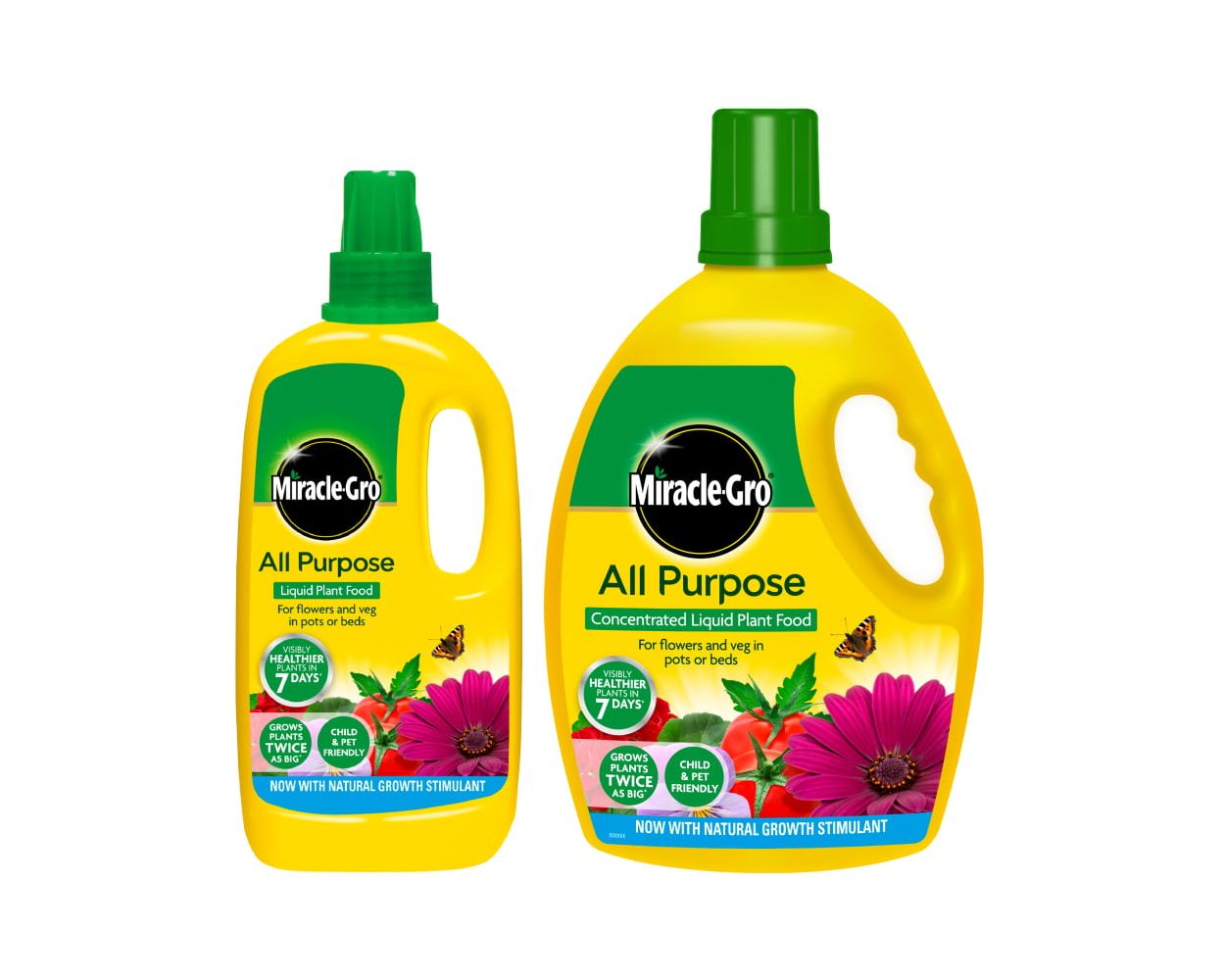
3. Miracle-Gro
Price: $10 – $20 for smaller bottles
Miracle-Gro is the brand that almost everyone has used at least once. It’s fast. That’s the main thing. You feed your plants, and they respond quickly.
It’s easy to use, which is why beginners buy it. But easy also means mistakes happen. Too much and plants can suffer. It’s not organic, and some gardeners avoid it for that reason.
Pros:
- Fast nutrient delivery, plants respond quickly
- Easy for beginners; widely available
- Great selection of formulas for different plants
Cons:
- Can lead to nutrient burn if over-applied
- Not ideal for organic gardening goals
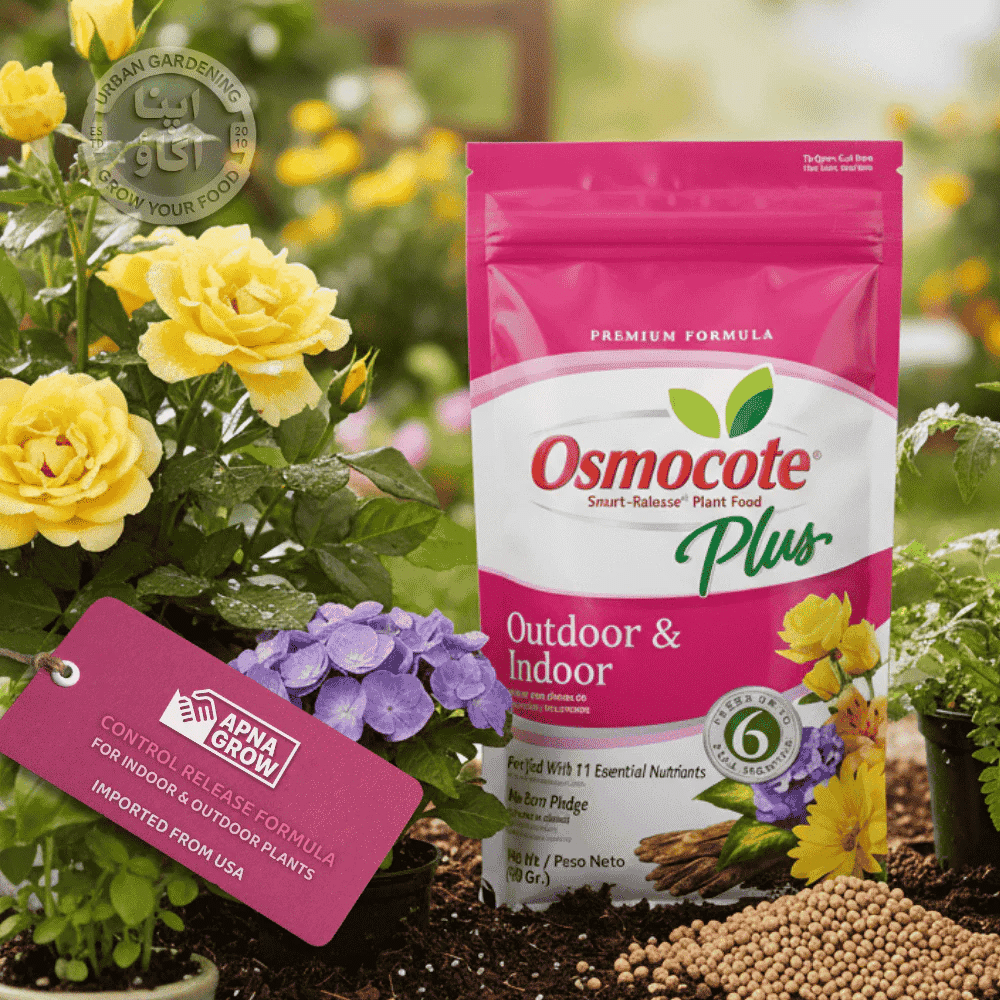
4. Osmocote
Price: $7 – $26 for small bags
Osmocote is about convenience. Apply it once, and it feeds plants slowly over time. Good for people who forget schedules or don’t want constant feeding.
It works best for potted plants, shrubs, and long-term plantings. It costs more upfront, but you apply less often.
Pros:
- Slow release reduces the frequency of application
- Good for container plants, shrubs, and bedding plants
- Long feeding duration
Cons:
- Costs more upfront than many quick-release fertilizers
- Limited organic options
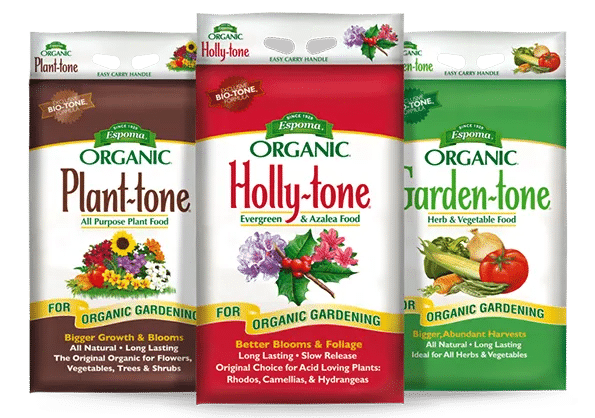
5. Espoma
Price: $11 – $35 for standard bags
Espoma focuses on organic gardening. Their fertilizers feed the soil first, then the plant. That takes time. Results are slower, but soil health improves over the long run.
A lot of experienced gardeners trust Espoma for vegetables and landscapes. It smells like organic fertilizer.
Pros:
- Certified organic, safe for children and pets
- Slow, sustainable release is ideal for long-term soil health
- Bio-tone microbes help plant root development
Cons:
- Takes longer to show results
- Higher price point compared to synthetic brands
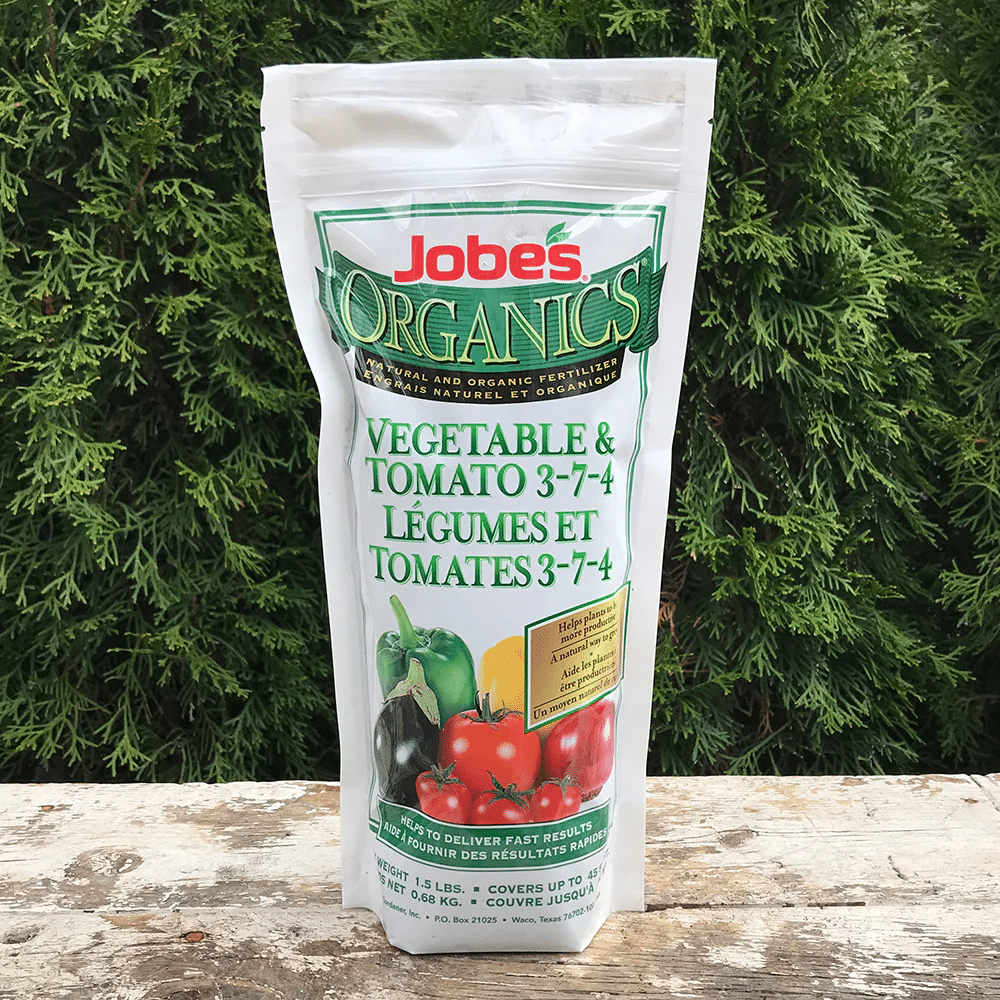
6. Jobe’s Organics
Price: $15 – $25 for spike packs
Jobe’s Organics is pretty straightforward. It’s organic. Mostly granules and spikes. Made for gardeners who don’t want to overthink feeding.
It works best when you’re patient. Plants won’t explode with growth overnight. But they grow steadily and healthily if used right.
Pros:
- OMRI-listed organic formulas
- Easy application (especially spikes)
- Good for trees, shrubs, and gardens
Cons:
- Nutrient release is slower than synthetic options
- May require more frequent feeding for heavy feeders
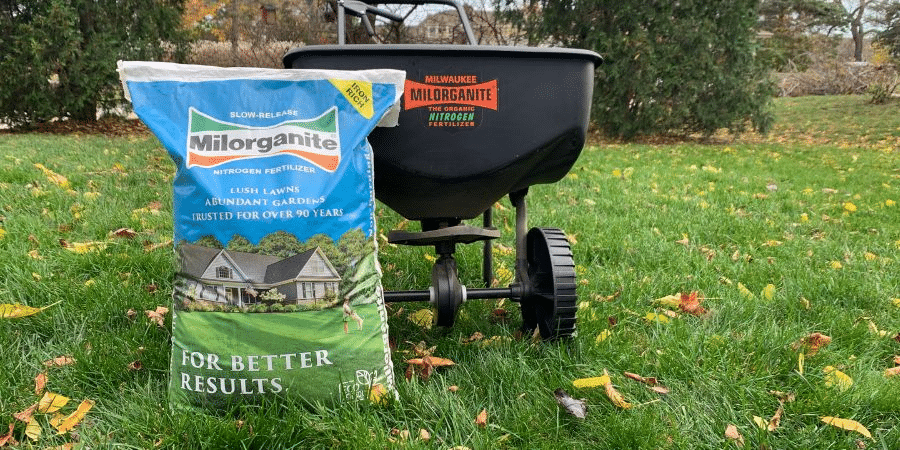
7. Milorganite
Price: $19 – $30 for a 32 lb bag
Milorganite is mostly a lawn thing. It’s made from recycled organic material and feeds grass slowly. Over time, it helps the soil too, not just the color.
It’s not meant for vegetables. It smells, and lawn people usually accept that.
Pros:
- Organic, slow-release nitrogen
- Excellent for lawns and turf health
- Long history of product use
Cons:
- Strong odor that some users dislike
- Not ideal for edible gardens
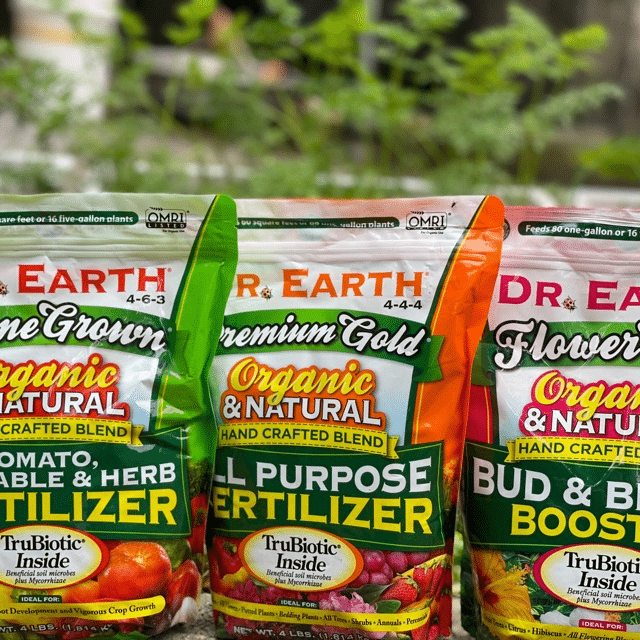
8. Dr. Earth
Price: $6.99 – $89.99 for different product types and sizes
Focused on soil health. Uses microbes for stronger roots. Good for organic gardeners who prefer slow, balanced growth.
It works for vegetables, flowers, and fruit trees. Some products smell strong. That’s normal with organic blends.
Pros:
- Includes probiotics beneficial for soil
- No synthetic chemicals or GMOs
- Works for multiple plant types
Cons:
- Some products have strong organic odors
- Packaging is less sophisticated than mainstream brands
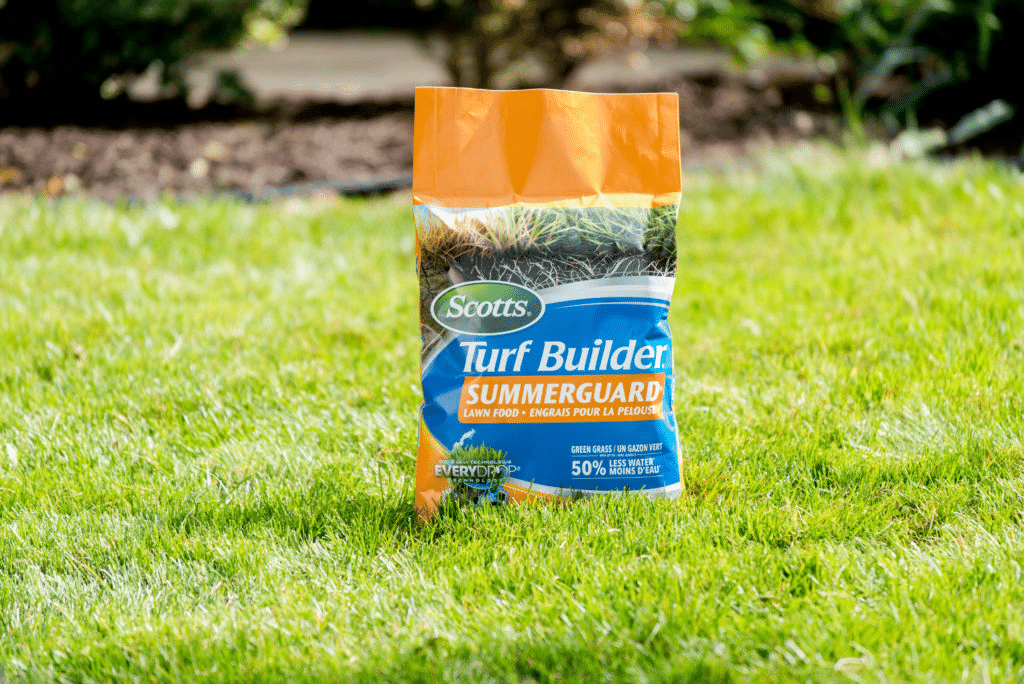
9. Scotts Turf Builder
Price: $18 – $45+ depending on bag size
Scotts Turf Builder is mostly about lawns. It feeds fast on grass and pushes green growth. Many homeowners use it because it’s easy and available everywhere.
It’s not organic. It’s not for vegetables. But for grass, it does what it’s supposed to do.
Pros:
- Excellent nitrogen boost for lawns
- Varieties include weed prevention options
- Easy to apply with spreaders
Cons:
- Not designed for vegetable gardens
- Synthetic components may not suit all gardeners
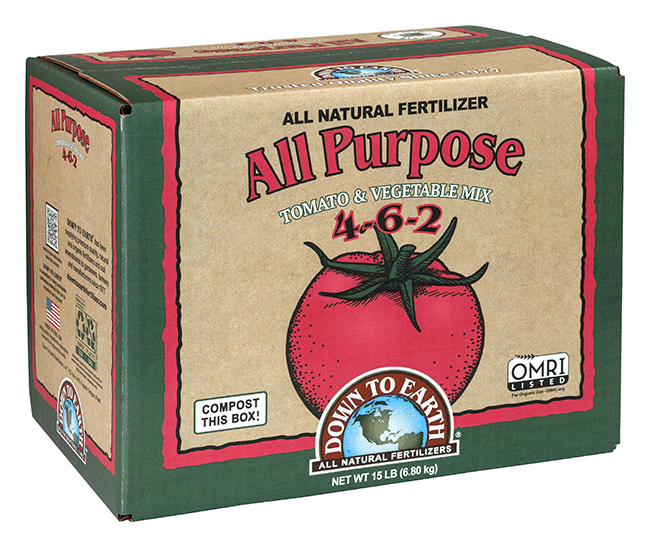
10. Down To Earth
Price: $20 – $120+ depending on bag sizze
Natural and balanced formulas. Popular with organic growers. Not always easy to find, but quality stays solid.
Its availability depends on location. But quality is consistent.
Pros:
- Natural with balanced nutrient profiles
- Great for vegetables and specialty gardens
- Strong user ratings for performance
Cons:
- Less widely available in mainstream stores
- Some mixes may cost more per application
Choosing the Right Brand
There is no perfect fertilizer. Some work fast. Some work slowly. Some help soil. Some just push growth. What matters is what you’re growing and how much effort you want to put in.
Organic fertilizers reward patience. Synthetic ones give speed. Lawns and vegetables don’t need the same thing. Neither do houseplants and fruit trees.
Final Thoughts
The best fertilizer depends on what you want. Fast growth works for some. Organic works for others. Lawns need their own approach. Whatever brand you choose, using it correctly and not overdoing it usually matters more than anything else.
References & more information
- Marketplace I. Fertilizer Brands in the United States
- McGiven H. How to Choose the Best Organic Plant Fertilizer
- Guide L. Best Fertilizer Supply Brands for Healthy Plants
- Reviews B. 10 Best fertilizers 2026 in the US
Tell us what you think? Did you find this article interesting? Share your thoughts and experiences in the comments section below.










Add comment