
 Kevin Johnson
Luxury cologne is more than a scent. It feels like a small story on your skin. Something personal. Something quiet but confident. The high-end fragrance world uses rare flowers, resins, woods, things you don’t find in everyday perfumes. Also, the way they make these colognes is slowly, carefully, like art. So the price is not just for the smell. It’s for the work, the craft, and the feeling of owning something a bit exclusive.
Exploring these brands can feel overwhelming. There are too many names. Too many opinions. So this guide keeps it simple, straight, and a little plain-spoken.
Below, we break down 15 expensive cologne brands in the world. Ranked from the ultra-high luxury houses to the premium, but slightly more reachable ones.
1. Shumukh
Price: $1,000,000 — $1.3M
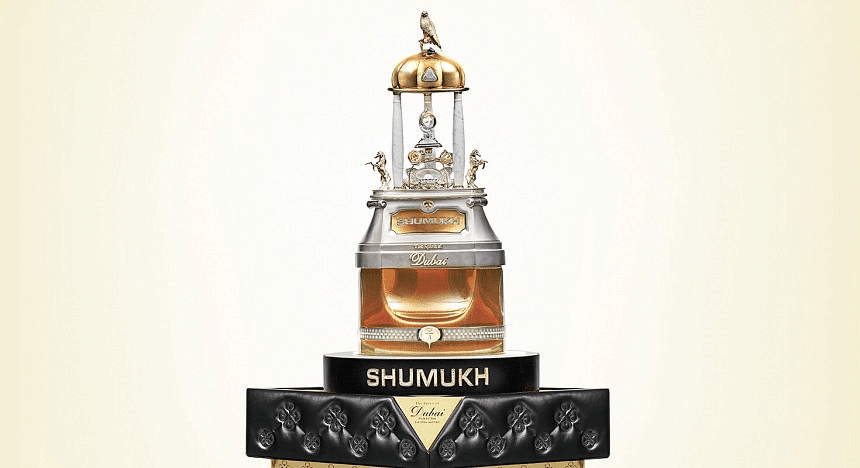
Image source: Shumukh
Shumukh is a one-off, ultra-luxury fragrance project from Nabeel (The Spirit of Dubai). It’s more art-object than shelf product: huge Murano-crystal bottles, thousands of diamonds and gold, and a reported price that put it at the top of global “most expensive perfume” lists. This is the headline example of jewellery-meets-perfumery.
Pros
- Spectacular collector value and publicity.
- Unique craftsmanship; highly limited.
Cons
- Not practical for regular wear.
- Decorative materials, not just scent, drive price.
2. Clive Christian
Price: $300 — $12,700+
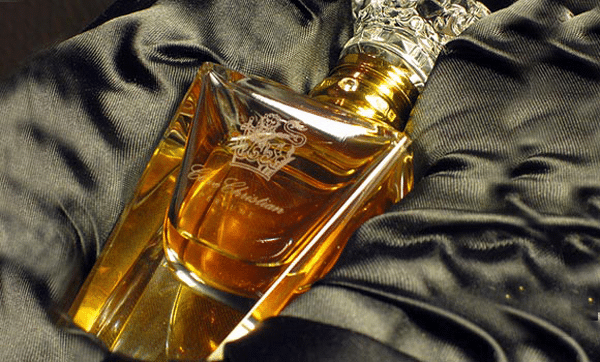
Image source: Clive Christian
Clive Christian is a British niche house famous for rich, complex compositions and lavish bottles. The brand made headlines with its Imperial Majesty edition (a record-setting collector’s bottle). At retail, Clive Christian’s ready-to-wear perfumes are expensive, while bespoke/collector variants jump into the tens of thousands.
Pros
- Strong heritage and premium packaging.
- High-quality raw materials and concentrations.
Cons
- High price even for standard lines.
- Some editions are more collectible for the bottle/story than for the daily performance.
3. Roja Parfums
Price: $250 — $2,000+
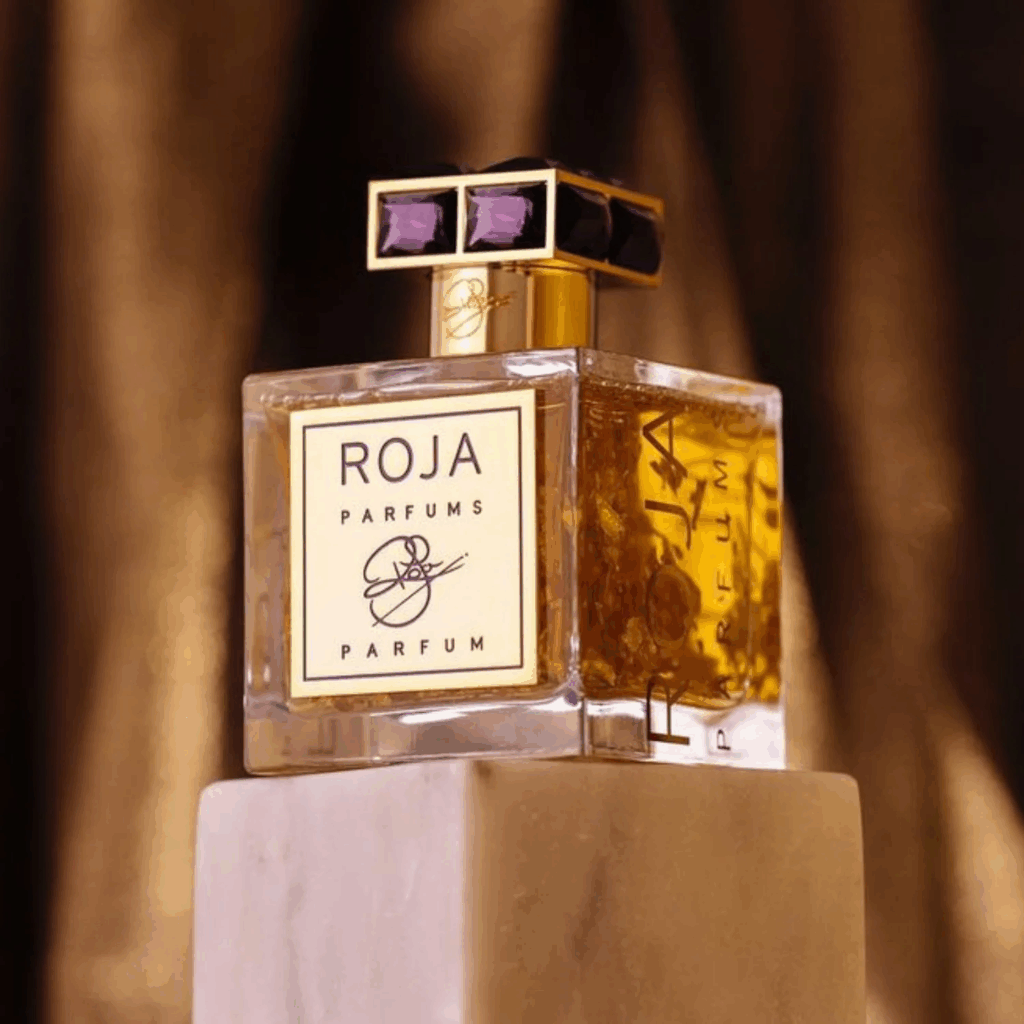
Image source: Roja Perfums
Roja Parfums, led by Roja Dove, is known for a very luxurious style. The scents feel full, deep, and made with high-quality materials like oud, jasmine, and ambergris-like notes. The prices shift a lot depending on the concentration and special editions, but overall, the brand sits at the top of the luxury fragrance world, often used as a standard for what “high-end” really means.
Pros
- Luxurious compositions and bold signatures.
- Excellent craftsmanship and presentation.
Cons
- Can be polarizing, very strong, and sometimes challenging blends.
- Pricey for mainstream buyers.
4. Xerjoff
Price: $250 — $2,500+
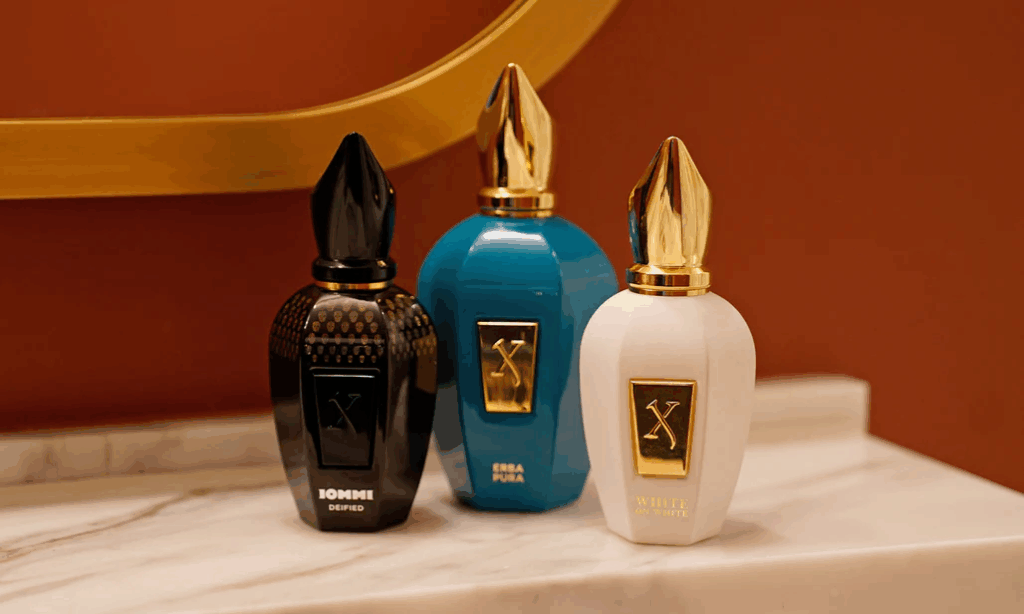
Image source: Xerjoff
Xerjoff is an Italian maison producing ornate bottles and rich blends. The brand markets both high-end ready-to-wear and exclusive runs; collector editions and precious materials raise the sticker shock.
Pros
- Luxurious materials and striking bottle design.
- Hand-finished details on select releases.
Cons
- Price variability: Some bottles are prohibitively expensive.
- Not all releases are equally successful critically.
5. Amouage
Price: $200 — $1,000+
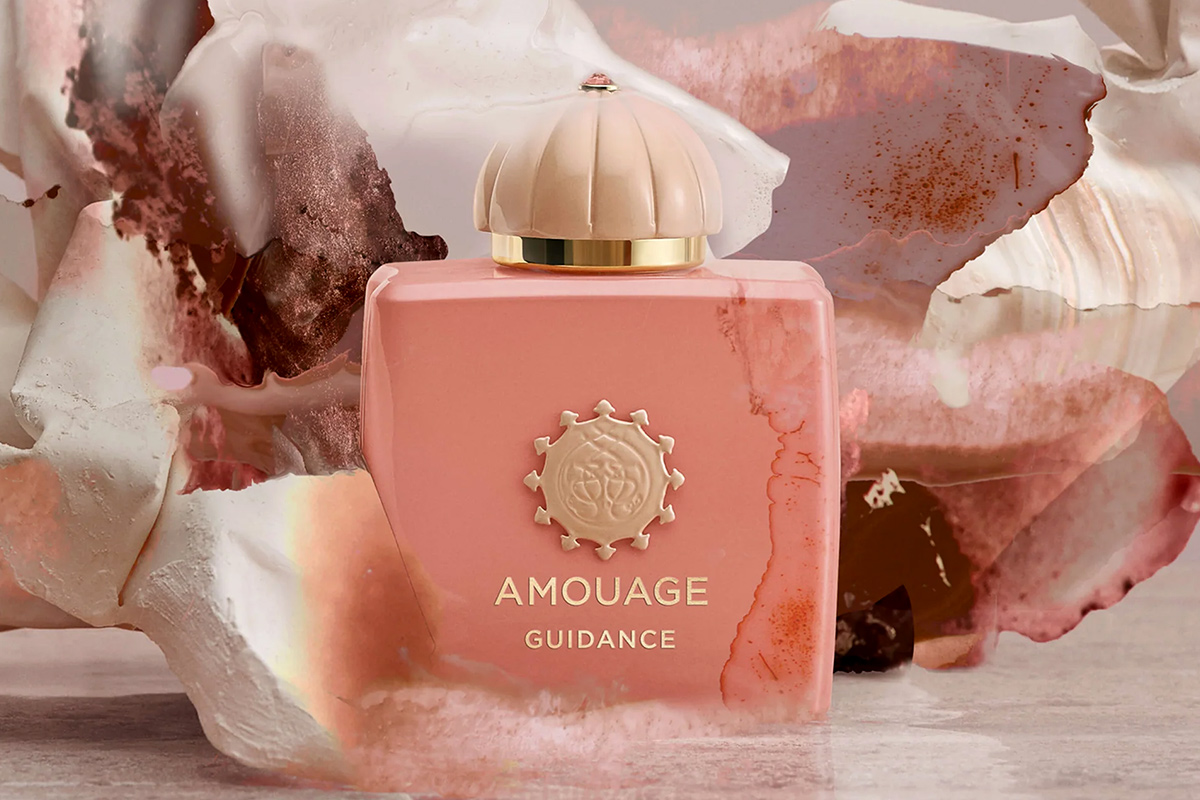
Image source: Amouge
Amouage comes from Oman, and it has this very rich, Middle Eastern personality. The scents feel warm and dense. You notice resins, deep florals, and oud that sits right in the center. It’s not a light or shy perfume. More like something that fills the room slowly. Some collections are priced in the normal luxury range, something you can actually consider. But then there are special, limited releases that cost much more, almost like small art pieces.
Pros
- Exceptional raw materials and long-lasting performance.
- Distinctive, complex scent profiles.
Cons
- Heavy, rich DNA isn’t for every wearer.
- Limited editions can be very pricey.
6. By Kilian (Kilian Paris)
Price: $200 — $1,000+
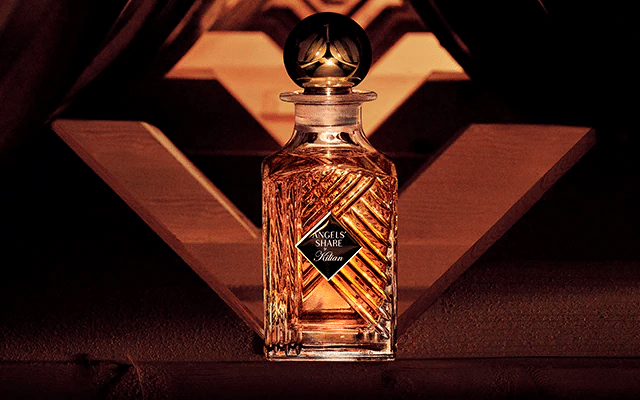
Image source: By Killian
By Kilian focuses on luxury scents that feel like they come with a story behind them. The bottles look refined, kind of made for display. They also offer refills, which keep the bottle longer in your life. Some limited releases come at a much higher price, especially the rare ones, so the brand often sits on the upper side of luxury fragrance.
Pros
- Beautiful, artful packaging and thematic collections.
- Good longevity and strong branding.
Cons
- Limited editions command significant premiums.
- Some releases are very sweet or opulent niche appeal.
7. Boadicea the Victorious
Price: $200 — $1,000+

Image source: Boadicea the Victorious
Boadicea the Victorious is a UK niche brand with a strong and bold style. The scents project heavily and stay for a long time, which is part of their appeal. It speaks to people who want something noticeable, not quiet. Because of this focused, artisan approach, the prices sit on the higher side.
Pros
- Unique, heavy-hitting signatures that last.
- Strong branding for collectors.
Cons
- Intensity can be overwhelming.
- Less mainstream retail availability.
8. Maison Francis Kurkdjian
Price: $150 — $700+
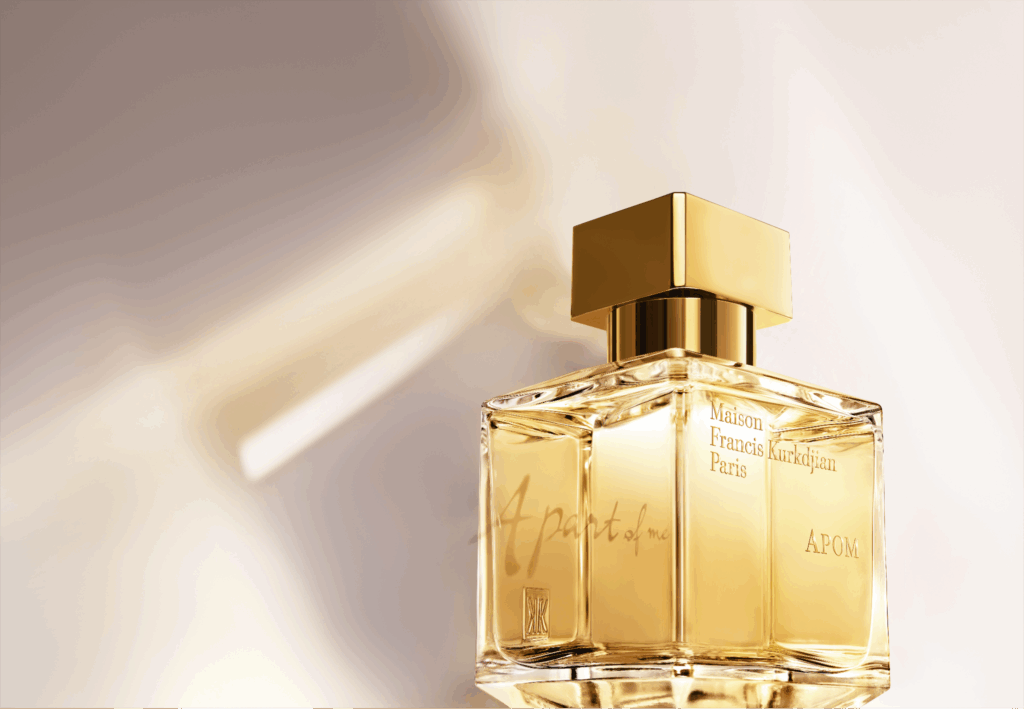
Image source: Maison Francis Kurkdjian
Maison Francis Kurkdjian is the modern luxury done calmly. Its Baccarat Rouge 540 is the one everyone talks about, kind of everywhere now. The normal bottles are already pricey, sure. But the limited ones, especially those done with Baccarat crystal, go much higher. The brand sits between niche and mainstream, polished but still slightly quiet, like it knows its value without saying too much.
Pros
- Widely loved signature scents with strong longevity.
- Clean, modern aesthetic that sells well across markets.
Cons
- Iconic fragrances are widely copied and ubiquitous.
- Higher price for “signature” status rather than exclusivity.
9. Tom Ford Private Blend
Price: $150 — $600+
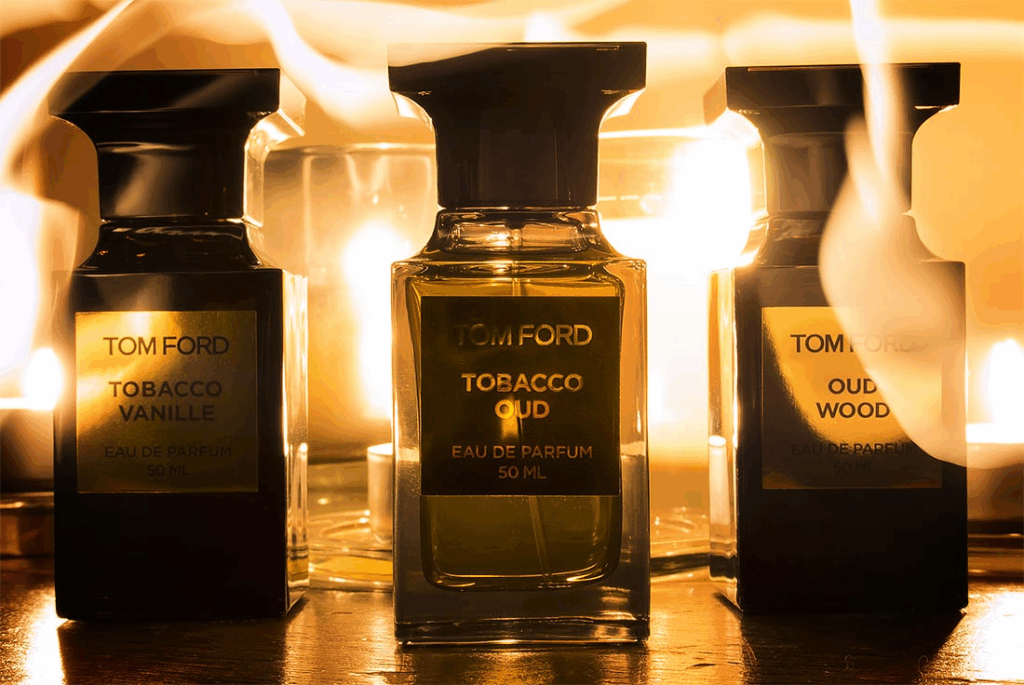
Image source: Tom Ford Private Blend
Tom Ford’s Private Blend line mixes designer style with a more niche feel. Scents like Tobacco Vanille and Oud Wood are well-known and priced on the higher side. Some come in big, exclusive bottle sizes, too. The sleek packaging and presentation also play a role, making the whole thing feel more premium and intentional.
Pros
- Strong brand recognition and consistent performance.
- Balanced between luxury and approachability.
Cons
- Popular scents can be common in upscale circles.
- Designer premium pricing.
10. Creed
Price: $300 – $900
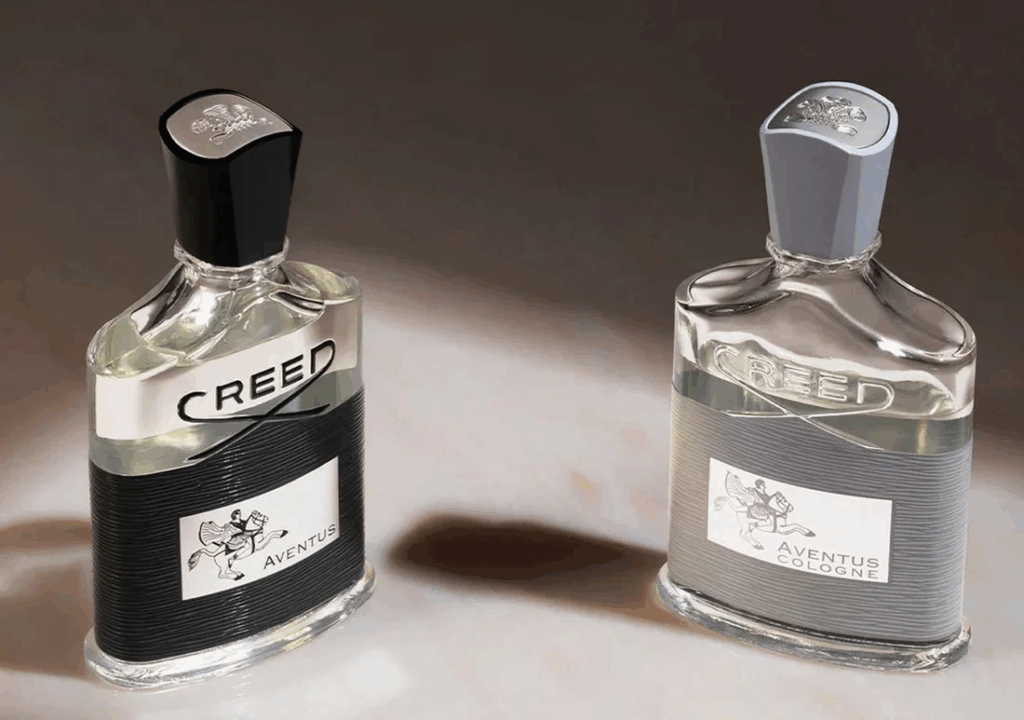
Image source: Creed
Creed is known for its heritage style, and Aventus is the fragrance everyone points to. It’s famous and also quite expensive. The brand presents itself as a high-end perfume atelier, with hand-blended formulas and premium prices on the regular 100ml bottles. A lot of the value comes from the name and the prestige around it.
Pros
- Strong brand equity and recognizable classics.
- Generally, very wearable, high-quality extracts.
Cons
- Popularity makes some scents feel less exclusive.
- Price premium can be steep for what many consider mainstream luxury.
11. Initio Parfums Privés
Price: $150 — $800+
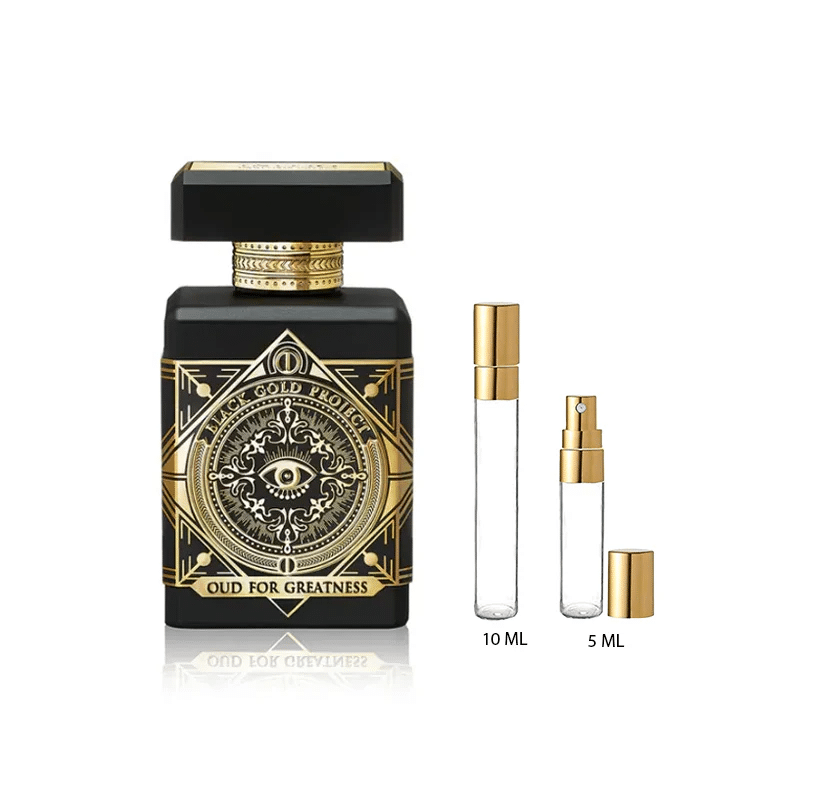
Initio is a luxury fragrance house which made a strong impression on the Fragheads within a short span of time since its launch in 2015. Their scents feel bold and mood-heavy. You often notice strong oud, musk, or deep blends that stand out right away. It sits in the premium niche space, and some limited editions can get quite expensive, depending on the release.
Pros
- Powerful, modern compositions that perform well.
- Strong identity for niche lovers.
Cons
- Very direct, strong scent signatures.
- Limited release strategy pushes up cost.
12. Frédéric Malle
Price: $120 – $600+
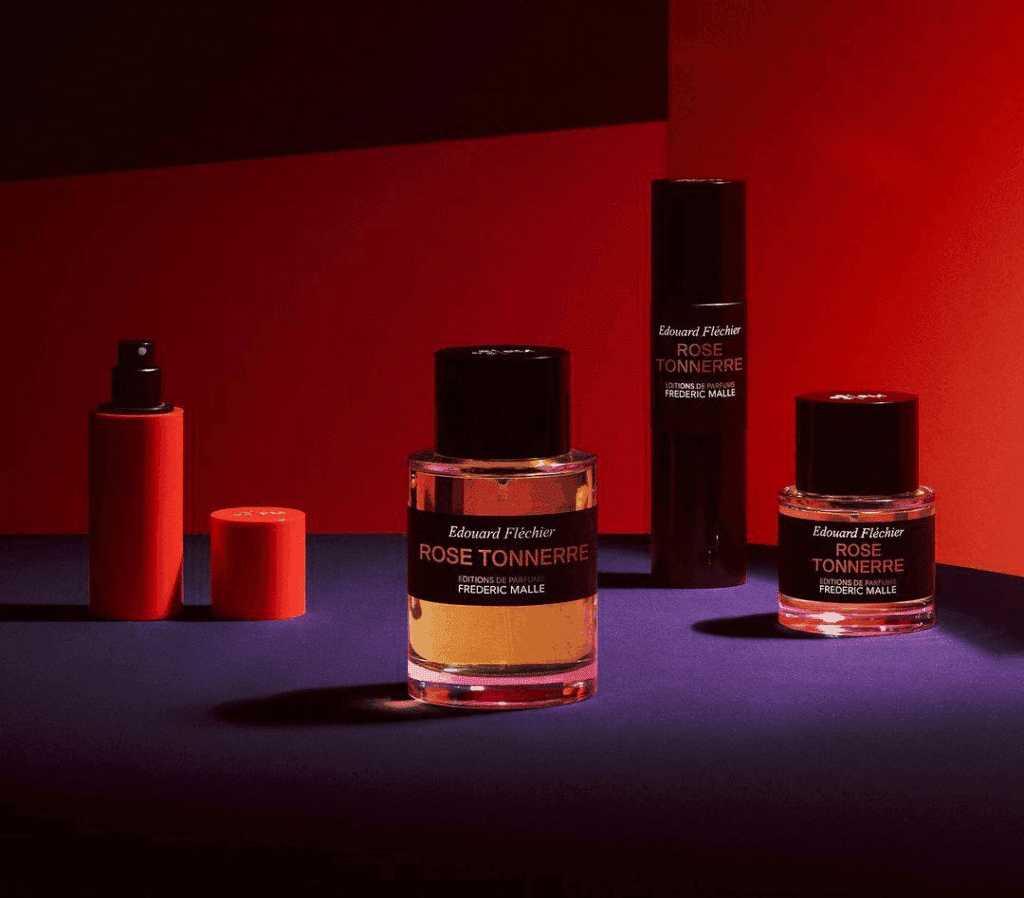
Frédéric Malle’s Editions de Parfums works like a curator setup. Different top perfumers create the scents, so each one feels a bit personal and thoughtful. The prices sit in the premium boutique range, not casual. Collectors and fragrance people respect the brand because it focuses on the perfumer’s vision, not just marketing.
Pros
- Editorial, perfumer-first approach, high artistic value.
- Many acclaimed classics are in the catalogue.
Cons
- Some scents are acquired tastes.
- Prices for rare pressings or limited runs are high.
13. Serge Lutens
Price: $120 — $600+
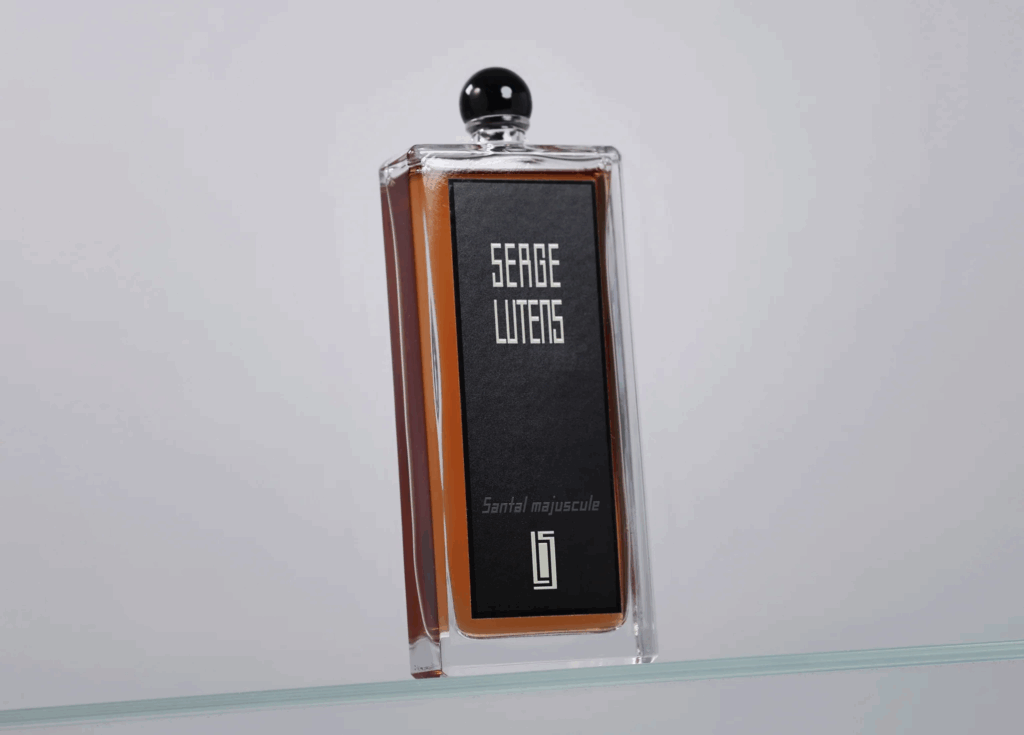
Image source: Serge Lutens
Serge Lutens has a very artistic style, sometimes a little dramatic in how the scents feel. There’s a couture mood in the way the fragrances are built, careful and expressive. Some rare editions are highly valued by collectors, almost treated like small treasures.
Pros
- Highly original scents; artistic credibility.
- Loyal following among enthusiasts.
Cons
- Some fragrances are challenging and not crowd-pleasers.
- Sourcing older editions can be difficult and expensive.
14. Le Labo
Price: $150 — $400+

Image source: La Labo
Le Labo has a clean, modern niche style. The scents feel focused, sometimes built around one main note, with a fresh and steady vibe. They mix bottles in small batches, which adds to the price. It has become a common luxury choice for people who want something simple but still premium.
Pros
- Clean, minimalist branding and consistent quality.
- Hand-made approach appeals to luxury buyers.
Cons
- Wide popularity reduces exclusivity.
- Pricing is premium for relatively small bottles.
15. Byredo
Price: $120 — $400+
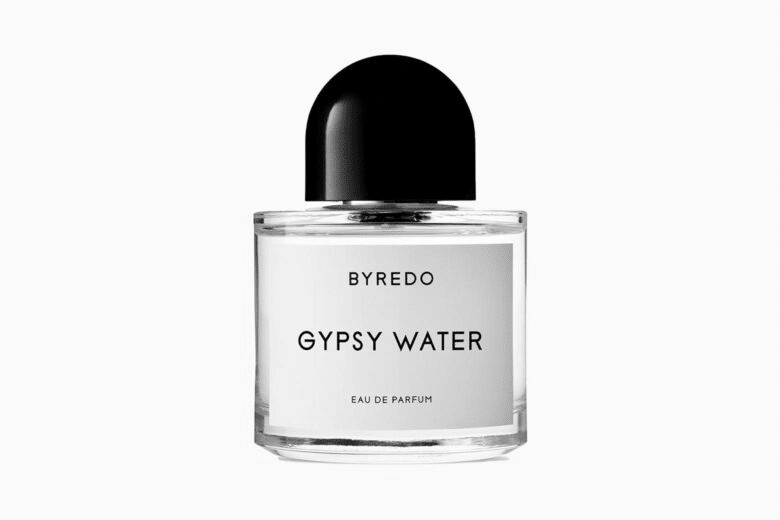
Image source: Byredo
Byredo has a clean, minimal look, but the scents still feel crafted with care. The price sits in the premium range, not the highest, but not casual either. Some limited or exclusive releases do get more expensive. The overall vibe feels quiet, modern, and a bit stylish without trying too hard.
Pros
- Clean, modern scent profiles; great for urban buyers.
- Strong design and marketing.
Cons
- Not as “rare” as some haute houses.
- Some releases have polarizing notes.
Final Thoughts
Luxury colognes are not only about smelling nice. They carry a mood, a presence, something soft that follows you. These brands use rare materials and slow craft, and you pay for that story as much as the scent. Some bottles feel like collectibles, almost like something you keep more than use. In a nutshell, the most desirable and appropriate cologne is the one that feels natural on your skin.
References & more information
- The World’s Most Expensive Perfume Brands
- 12 Most Expensive Cologne Brands
- Featured Image by Mpho Mojapelo
Tell us what you think? Did you find this article interesting? Share your thoughts and experiences in the comments section below.











Add comment